Do Warning Lights Cause an MOT Failure?
A dashboard warning light does not automatically mean an MOT failure. Find out which warning lights may be checked during the MOT, what an illuminated light could mean and when professional advice is sensible.
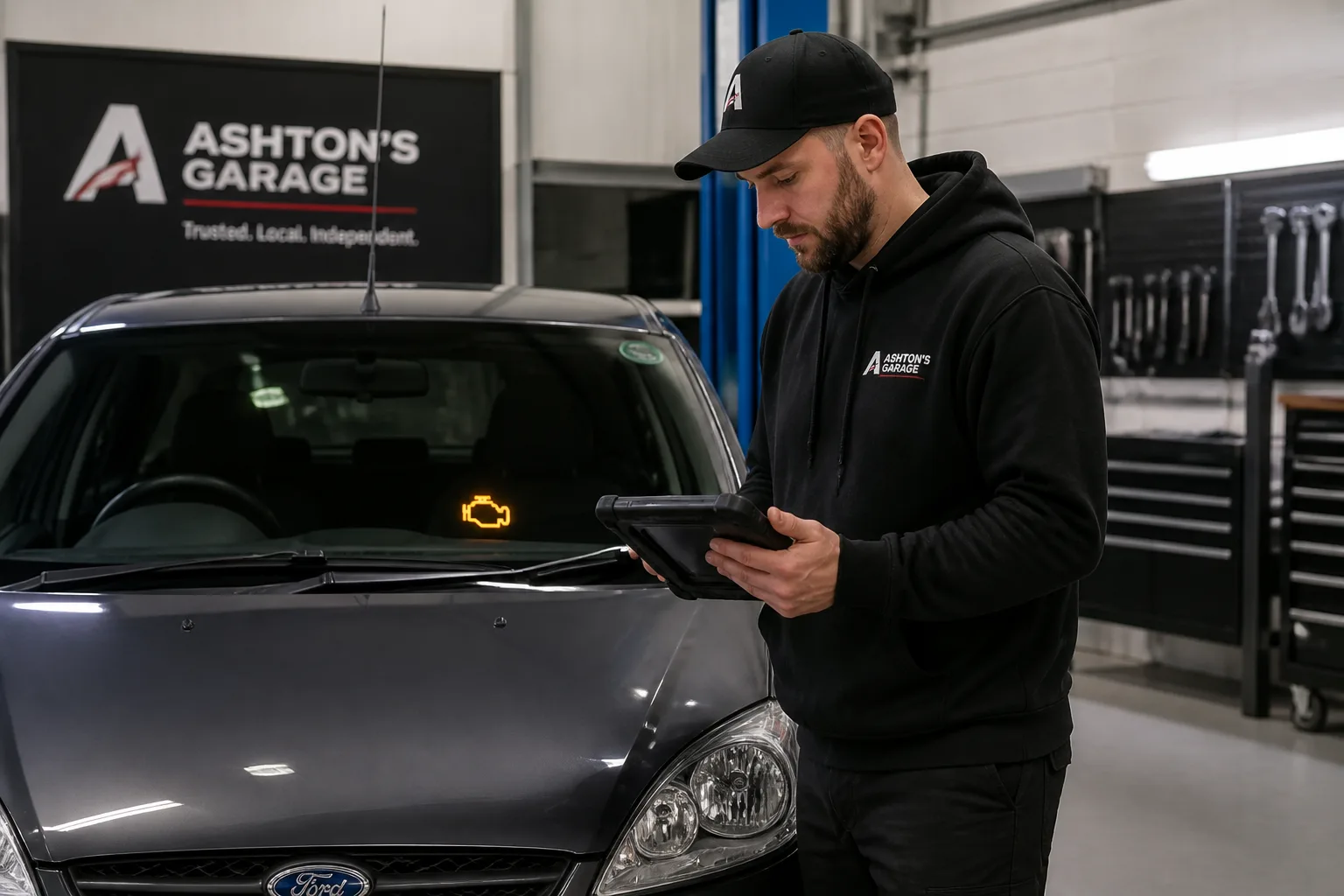
A warning light on the dashboard can be worrying, especially when your MOT is due. The good news is that an illuminated warning light does not automatically mean your car will fail its MOT. It depends on which light is showing, whether the MOT tester is required to check it, and what the vehicle does during the test.
Some warning lamps are part of the MOT inspection because they relate to systems that affect safety or emissions. Others may not be a direct reason for failure, although they can still indicate a fault that should not be ignored. A car can also fail for the underlying problem rather than for the light itself.
Which warning lights can affect an MOT?
The MOT includes checks of certain dashboard tell-tale lamps and vehicle systems. The exact requirements depend on the age and design of the vehicle, so the presence of a warning light is considered alongside the MOT tester's inspection and the relevant test criteria.
Warning lights that may be relevant include those for:
- Anti-lock braking systems, shown by an ABS warning lamp
- Supplementary restraint systems, such as airbags and seatbelt pretensioners
- Electronic stability control, where fitted and covered by the applicable test requirements
- Tyre pressure monitoring systems on vehicles where the system is included in the inspection
- Electronic parking brakes or other braking-related systems, depending on the vehicle
- Engine or emissions faults where the applicable emissions test or inspection identifies a problem
If a required warning lamp remains illuminated, does not operate as expected, or indicates a fault in a system covered by the MOT, it may contribute to a fail. However, this is not a simple rule that every amber light equals a failure. The tester checks the vehicle against the official MOT requirements, not against a general list of dashboard symbols.
Does an amber warning light always mean a fail?
No. Amber usually means that the vehicle has detected a fault or that a system needs attention, but the MOT result depends on the particular warning lamp and the relevant test item. Some amber lights are not assessed in the same way as safety-related tell-tales, while others can point to a fault that affects an inspected component.
For example, an engine management light may be associated with an emissions fault. The light alone does not tell you exactly what has failed. The MOT tester may identify an issue through the emissions test, visual checks or the vehicle's required warning lamp operation. A diagnostic scan may then be needed to understand the cause properly.
It is also possible for a car to have no visible warning light and still fail its MOT. Worn brakes, damaged tyres, defective lights, suspension wear and other problems may not always trigger a dashboard warning.
What about a red warning light?
Red warning lights generally indicate that the vehicle needs immediate attention. The colour is not, by itself, an MOT classification, but a red brake warning light, overheating warning or oil pressure warning can indicate a problem that may make continued driving unsafe.
If a red brake, oil pressure or temperature warning appears, pull over safely as soon as possible and follow the vehicle manufacturer's guidance. Do not continue driving simply because the MOT is not due yet. A warning connected with braking, steering, overheating or another safety-critical system should be assessed by a qualified professional before the vehicle is used further.
If the light appears briefly when the ignition is switched on and then goes out after the engine starts, that is normally part of the vehicle's system check. If it stays on, comes back while driving or is accompanied by unusual noise, loss of power, smoke, a change in braking or difficult steering, treat the symptoms seriously.
Can you take a car to its MOT with the warning light on?
You can take a vehicle for an MOT with a warning light illuminated, but it is worth understanding the possible outcome before arranging the test. If the light relates to a system included in the MOT, the car may fail. If it does not directly affect the test, the vehicle could still pass, although the fault may remain important for reliability or safety.
Driving to a pre-booked MOT is only sensible when the car is roadworthy and the warning does not indicate an immediate danger. You must also be able to drive legally to the test. An MOT booking does not make an unsafe vehicle safe to use, and it does not replace the need for appropriate insurance or other legal requirements.
Where there is doubt, ask a garage to inspect the warning before driving to the test. This can avoid an unnecessary journey and may identify a problem that needs attention first.
What can you check safely before the MOT?
There are a few sensible checks an owner can make without attempting a repair:
- Note the exact symbol, its colour and when it appears.
- Check whether it goes out after the engine starts or remains on while driving.
- Read the vehicle handbook for the manufacturer's explanation.
- Look for related symptoms, such as unusual braking, overheating, smoke, fluid leaks or changes in steering.
- Check that the tyres appear correctly inflated and free from obvious damage, without removing wheels or dismantling anything.
Do not clear a warning light simply to make the dashboard look normal. Disconnecting the battery or using a code-clearing tool may remove the message temporarily without repairing the fault. It can also leave the vehicle's systems needing time to complete their checks, which may affect an emissions-related inspection.
Why a proper diagnosis matters
A warning light is a message from a monitoring system, not a complete diagnosis. The same light can be triggered by different faults, and an inexpensive sensor issue can sometimes look similar to a more significant system problem. Reading the diagnostic fault code is useful, but the code still needs to be interpreted alongside the vehicle's symptoms and a physical inspection.
At an independent garage, proper diagnosis may involve suitable diagnostic equipment, checks of the relevant wiring and components, and confirmation that the fault has actually been resolved. This is more useful than replacing parts based only on the name of a dashboard symbol. A good garage should explain what has been found, what needs attention and whether the vehicle is safe to drive.
If you would like more context about the result of an MOT, our guide to what an MOT advisory means explains how advisories differ from failures. It may also help to understand whether you can drive your car after an MOT failure, particularly if a warning light is linked to the failure.
What should you do next?
Do warning lights cause an MOT failure? Sometimes, but not automatically. The answer depends on the warning system, the vehicle, the MOT requirements that apply and the result of the wider inspection. An illuminated light should never be treated as a guaranteed failure, but it should not be ignored either.
Ashton's Garage can investigate dashboard warning lights with appropriate diagnostic equipment and practical workshop checks, then explain whether the issue needs attention before your MOT. If your test is due and you are unsure whether the car is ready, you can arrange an MOT with Ashton's Garage and discuss the warning beforehand. If the car is showing a red safety-related warning or has changed noticeably while driving, stop using it and seek professional advice rather than driving it to the garage.
Frequently asked questions
Will my car fail its MOT if the engine management light is on?
Not automatically. The result depends on the vehicle, the applicable MOT requirements and what the emissions or other inspection checks find. An illuminated engine management light can indicate a fault that needs diagnosis, even where it is not by itself an automatic failure.
Can an ABS warning light cause an MOT failure?
It can. ABS warning lamp operation and the condition of the braking system are relevant to the MOT on applicable vehicles. The tester will assess the vehicle against the official criteria, so the warning should be investigated rather than simply cleared.
Can I drive to my MOT with a warning light on?
Only if the vehicle is roadworthy and the warning does not indicate an immediate safety risk. Do not drive with an unresolved brake, steering, overheating or other serious warning where continued use may be unsafe. Ask a garage for advice if you are uncertain.
Should I reset a warning light before an MOT?
No. Resetting the light does not repair the fault and may only hide the symptom temporarily. A proper diagnosis is a better way to establish what has caused the warning and whether the vehicle is ready for its MOT.
Related advice
MOT Retest Rules: What Happens After a Failure?
Failed your MOT? Learn what the result means, when a retest may be free or reduced-price, what happens if repairs are needed, and when it may be unsafe to drive.
How to Prepare Your Car for an MOT
A few sensible checks before your MOT can help you spot obvious problems, avoid preventable failures and understand when your car needs professional attention.
What Does a Major MOT Defect Mean?
A major MOT defect means the vehicle has failed because the tester found a problem that could affect safety, the environment or compliance. Here is what the result means and what to do next.