Common Reasons Cars Fail Their MOT
Find out why cars commonly fail their MOT, what you can check safely beforehand and when a garage should investigate the problem.
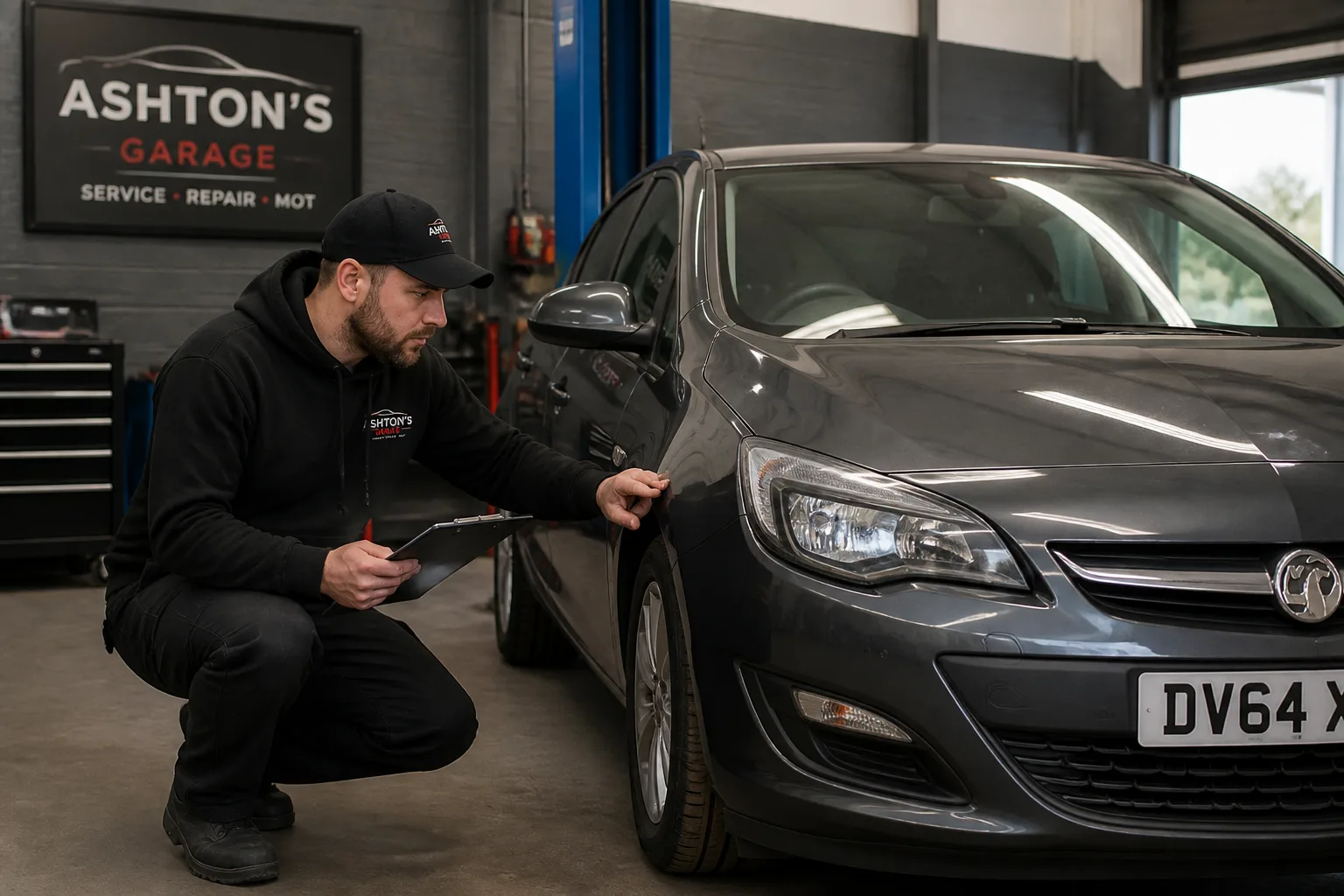
An MOT failure can be frustrating, particularly when the car seems to be driving normally. Many defects found during an MOT are not obvious from the driver’s seat. A warning light may not have appeared, a worn component may still feel acceptable and a small lighting fault can be easy to miss.
The good news is that common MOT failures are often linked to areas that can be checked and maintained before the test. This guide explains the main reasons cars fail their MOT and what the result may mean. It does not replace a proper inspection, because the tester must assess the condition and operation of safety-related parts using the relevant test requirements.
Lighting and signalling faults
Lighting defects are among the most common reasons for an MOT failure. This can include a headlamp, brake light, indicator, rear fog lamp, number plate lamp or reflector that is not working correctly. A bulb may have failed, but the underlying issue could also involve a fuse, wiring fault, poor connection or damaged lamp unit.
It is sensible to check that all exterior lights work before the test. Ask another person to operate the controls while you walk around the car, or use reflections in a suitable safe location. Check that lenses are not badly cracked, hanging loose or obscured by dirt. Do not ignore a warning message or a light that works intermittently, as this may need further investigation rather than a simple bulb replacement.
Tyres with damage or insufficient tread
Tyres are inspected for condition, security and tread. A tyre can fail because of visible damage, a bulge, a cut, exposed cords or tread that is too worn for the test requirements. Uneven wear can also point to a separate problem with wheel alignment, suspension or steering components.
You can safely look at each tyre for obvious damage and check the tread using the car’s wear indicators. Also check that the valve caps are present and that the tyres do not look noticeably under-inflated. These checks are only a basic screening exercise. If a tyre has a bulge, deep cut or exposed material, avoid driving further than necessary and arrange professional advice. Tyre damage can affect safety even if the car still appears to handle normally.
Brakes and handbrake performance
Brake defects may involve worn pads or discs, a sticking brake component, a hydraulic problem or an issue with the parking brake. The MOT test also considers whether braking performance is sufficient and balanced. A vehicle may therefore fail even when the driver has not noticed a serious change in everyday use.
Pay attention to warning signs such as pulling to one side under braking, grinding noises, a soft or sinking pedal, vibration, or a parking brake that does not hold the vehicle securely. These symptoms should not be treated as routine MOT preparation. Braking is safety-critical, so if the pedal feels abnormal or braking performance has deteriorated, stop in a safe place and seek professional inspection rather than continuing to drive.
For more context about the outcome of a test, see our guide to what an MOT advisory means. An advisory is not the same as a failure, but it can identify developing wear that may become a future problem.
Suspension, steering and wheel components
Suspension and steering faults are not always easy to identify without lifting and examining the vehicle. Worn bushes, damaged springs, leaking dampers, loose components or excessive play can all affect roadworthiness. The car may still feel reasonably comfortable while a component is deteriorating.
Possible warning signs include knocking over bumps, excessive bouncing, uneven ride height, wandering on the road, unusual tyre wear or steering that feels loose. There can be several possible causes, so these symptoms should not be used to diagnose a specific part from home. If the steering feels unsafe, the vehicle pulls severely or a spring appears broken, do not continue driving it unnecessarily. Professional inspection is the safer option.
Windscreen, wipers and washer fluid
The driver’s view is an important part of the MOT. A windscreen may fail because of damage in a relevant area, while worn wiper blades can leave the glass smeared or uncleared. The washer system also needs to work properly and have sufficient fluid for the test.
Before the MOT, inspect the windscreen from inside and outside in good light. Look for chips, cracks and damage that could affect visibility. Check that the wipers clear the screen without leaving broad uncleaned areas and top up screenwash with a suitable product. Do not attempt to repair windscreen damage yourself. A specialist can assess whether it is suitable for repair or needs further attention.
Registration plates, bodywork and structural condition
Registration plates can fail if they are damaged, insecure, difficult to read or incorrectly displayed. The body and structure are also checked for problems that could affect safety, including serious corrosion, insecure panels or sharp edges.
A basic walk-around can identify a loose bumper, hanging trim, damaged number plate or sharp piece of bodywork. However, corrosion is not always visible from the outside. Rust around structural areas, suspension mounting points or braking components requires proper examination. Avoid trying to cover or alter a structural problem just to get through the test. The important question is whether the vehicle remains safe and what repair is appropriate.
Emissions and engine warning lights
Petrol and diesel vehicles are assessed for emissions and certain emissions-related defects. A car can fail because its exhaust emissions are outside the permitted level, because the exhaust system is insecure or leaking, or because a relevant warning light remains illuminated where the test requirements treat that as a defect.
Do not assume that a long drive will cure an emissions problem. Poor running, excessive smoke, an unusual exhaust smell or a warning light may have several possible causes. Proper diagnosis can involve scan equipment and additional checks, rather than replacing parts based on guesswork. If the engine management light is on, mention it when arranging the test and have the cause investigated where appropriate.
Other common reasons for an MOT failure
Several smaller faults can also affect the result. These may include an insecure seat, faulty seat belt, damaged mirror, horn that does not work, missing or insecure fuel cap, or a problem with the vehicle identification details. Some faults are easy to overlook because they are not involved in normal driving very often.
A quick, safe pre-test check should cover the lights, tyres, windscreen, wipers, washer fluid, mirrors, horn, seat belts and registration plates. Keep the vehicle reasonably clear so the tester can access the relevant areas. These checks cannot guarantee a pass, but they may help you identify straightforward issues before the appointment.
What to do if your car fails its MOT
Read the failure reasons carefully and ask the testing garage to explain any unfamiliar wording. A failure does not always mean that the whole vehicle is beyond repair, but the seriousness depends on the defect identified. Do not authorise work solely on the basis of a vague symptom or an assumption about the part involved. A proper diagnosis helps separate the failed item from any underlying cause.
If you are unsure whether you can legally or safely drive the car after a failure, our guide explains whether you can drive your car after an MOT failure. It is also useful to understand how early you can book an MOT, particularly if you want time to address developing issues before the current certificate expires.
At Ashton’s Garage, the aim is to explain what the test has found, distinguish wear from an urgent safety concern and use the appropriate workshop equipment to investigate faults properly. If your vehicle needs an MOT or you would like its likely failure points checked beforehand, you can arrange an MOT in Salisbury with a practical, no-pressure explanation of any work that may be needed.
Frequently asked questions
What is the most common reason for an MOT failure?
Lighting and signalling faults are common, but failures can also involve tyres, brakes, suspension, visibility, emissions and the vehicle’s body or structure. The exact reason depends on the condition of the individual vehicle.
Can I check my car before its MOT?
Yes. You can safely check that the lights, horn, wipers, washer fluid, mirrors, seat belts, tyres and registration plates appear to be in good condition. These checks do not replace a professional inspection, especially for brakes, steering, suspension or structural corrosion.
Will a warning light make my car fail its MOT?
Some warning lights can affect the MOT result, depending on the system involved and the applicable test requirements. A warning light should not be ignored, because the underlying fault may affect safety, emissions or vehicle operation.
Is an MOT failure the same as an unsafe car?
Not every failure has the same level of risk. Some defects may be relatively straightforward, while others can affect braking, steering, tyres or structural safety. If the car shows a serious safety symptom, stop driving and arrange professional advice.
Should I repair my car before booking an MOT?
You do not need to repair every possible issue before booking a test. A basic check can identify obvious faults, but a garage inspection is more suitable when you notice unusual braking, steering, suspension, emissions or structural symptoms.
Related advice
MOT Retest Rules: What Happens After a Failure?
Failed your MOT? Learn what the result means, when a retest may be free or reduced-price, what happens if repairs are needed, and when it may be unsafe to drive.
How to Prepare Your Car for an MOT
A few sensible checks before your MOT can help you spot obvious problems, avoid preventable failures and understand when your car needs professional attention.
What Does a Major MOT Defect Mean?
A major MOT defect means the vehicle has failed because the tester found a problem that could affect safety, the environment or compliance. Here is what the result means and what to do next.