Can You Appeal an MOT Result?
Think your car has been failed unfairly? Find out how the UK MOT appeal process works, what to do before authorising repairs and when professional advice can help.
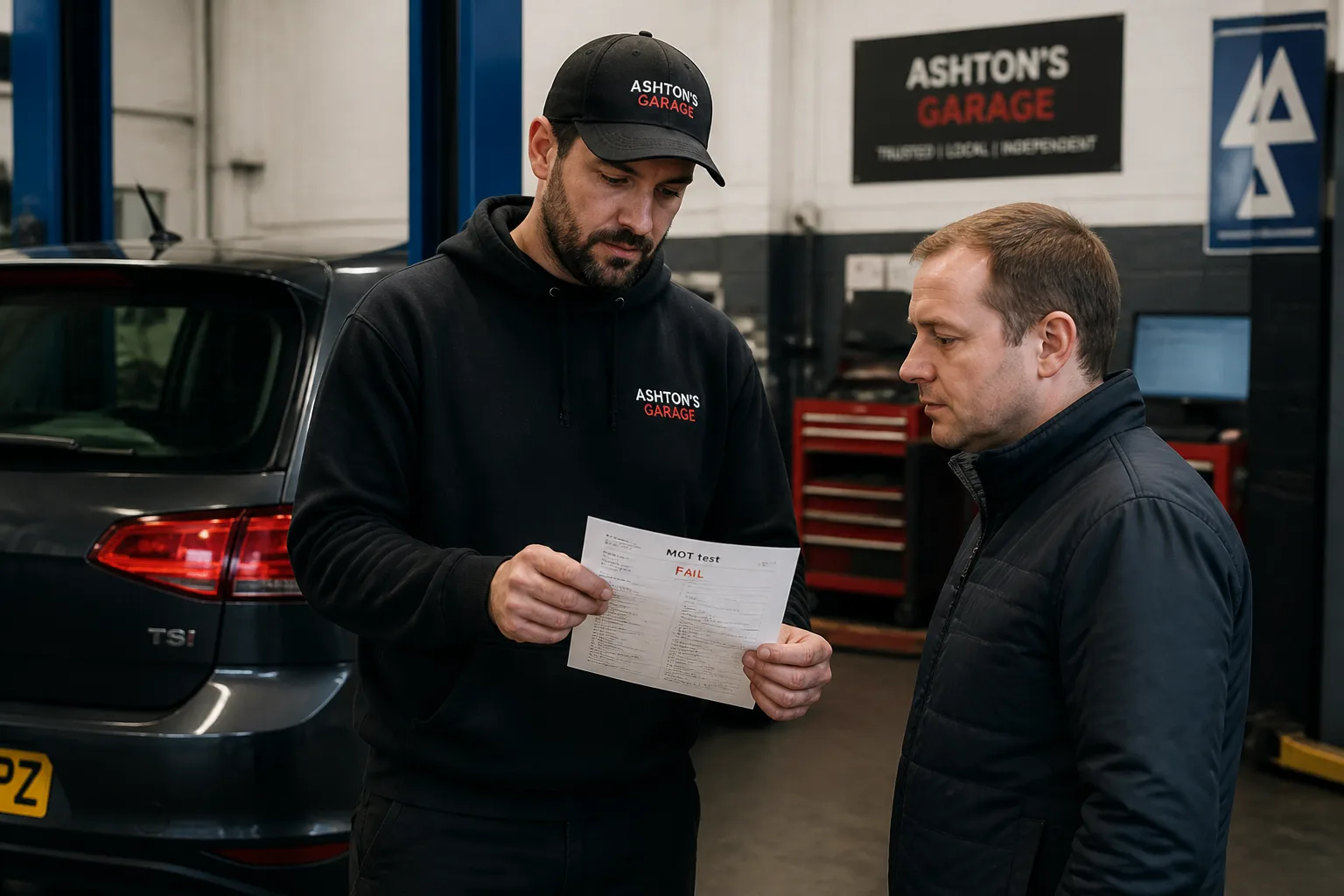
If your car has failed its MOT and you are not convinced the result is correct, you may be able to appeal it. The important point is to act carefully. Do not rush into repairs before you have clarified the result and understood how an appeal could be affected.
An MOT failure can be frustrating, particularly when the problem is not obvious to you or when you believe the tester may have reached the wrong conclusion. An appeal is possible through the Driver and Vehicle Standards Agency, usually referred to as DVSA, but there is a defined process to follow.
Can you appeal an MOT result?
Yes, a failed MOT can be appealed to DVSA. Before doing that, GOV.UK advises discussing the result with the MOT test centre. This gives the tester an opportunity to explain what was found and why the vehicle was recorded as a failure.
If you still believe the failure is incorrect after speaking with the test centre, an appeal against the failure should be submitted within 14 working days. That time limit matters, so do not leave the decision until the end of the period if you are considering an appeal.
An appeal is not simply a request for another opinion from any garage. It is a formal route for asking DVSA to review the MOT result. The test centre, the recorded failure items and the condition of the vehicle may all be relevant to what happens next.
What should you do before appealing?
Start by reading the MOT result carefully. Make a note of each failure item, along with any advisories. A failure identifies a defect or issue that did not meet the required MOT standard. An advisory is a note about something that is not currently a reason for failure but may need attention later.
Then speak to the test centre calmly and ask for an explanation in plain English. Useful questions include:
- Which part of the vehicle caused the failure?
- What was observed during the test?
- Was the issue visible, measurable or identified through a specific test?
- Is the concern about an immediate MOT requirement or an advisory condition?
You can also check that the details on the MOT result match your vehicle and the test that was carried out. Keep any paperwork or written information you were given. This does not prove that a failure is wrong, but it can make the situation easier to understand if you need to discuss it with the test centre or DVSA.
Do not have repairs carried out before the appeal is finished
This is one of the most important points in the process. GOV.UK advises that you should not have repairs carried out before the appeal has been completed. Once a vehicle has been repaired, it may no longer be possible to examine the condition that led to the original failure.
That can make it harder for the appeal to establish what happened at the time of the test. If the car needs work to make it safe, explain this when discussing your options rather than authorising repairs without considering the appeal process.
This does not mean you should continue driving a vehicle that may be dangerous. An MOT result and road safety are related but not identical questions. If the car has a serious braking, steering, tyre or structural concern, stop using it and seek professional advice. You can read more about the practical considerations in Can You Drive Your Car After an MOT Failure?.
What happens after an MOT appeal?
The appeal process allows the failure to be considered through DVSA rather than relying only on an informal disagreement with the test centre. The exact outcome will depend on the circumstances and the vehicle’s condition.
It is sensible to keep your expectations realistic. An appeal is not a guarantee that the original result will be changed. A vehicle can fail because of a defect that is difficult for an owner to see, such as excessive wear, a problem with a component’s operation or a condition that only becomes clear during the inspection. Likewise, a motorist’s uncertainty does not automatically mean the tester was wrong.
Where the failure is valid, the useful next step is normally to understand what needs attention and why. If the appeal supports your concern, you will still need to follow the outcome and make sure the vehicle meets the required standard before it is used normally.
What if you are unsure whether the result is fair?
You do not have to diagnose the vehicle yourself. An independent garage can explain the failure items and help you understand whether they relate to a visible fault, wear, a safety issue or a more technical test finding.
However, be clear about what you want the garage to do. If you are considering an appeal, tell them before any inspection or repair is arranged. A garage should not carry out work that could alter the condition relevant to an appeal without discussing the implications with you.
At Ashton’s Garage, our role is to provide a practical explanation rather than simply repeat technical wording from a test result. Proper workshop equipment and experienced inspection can help identify what a failure item means, although no garage should promise a particular appeal outcome without seeing the vehicle and reviewing the circumstances.
What is the difference between a failure and an advisory?
A failed MOT means the vehicle has not met the required standard for one or more test items. An advisory is different. It warns that a component or condition may need attention in the future, but it is not recorded as a failure at that test.
Advisories should not be ignored, especially where they concern tyres, brakes, suspension, corrosion or other safety-related parts. They are useful early warnings, not proof that a vehicle is immediately unsafe. Our guide to what an MOT advisory means explains how to read them sensibly.
Can a garage appeal on your behalf?
The appeal concerns the MOT result and is handled through the relevant official process. A garage can help you understand the reported defects, inspect the vehicle where appropriate and explain the likely significance of the findings. It should not present an informal repair or inspection as a substitute for the DVSA appeal route.
If you are arranging a future test rather than challenging an existing result, planning ahead can also help. Our guide to how early you can book an MOT covers the timing question separately.
Should you appeal or repair the vehicle?
The answer depends on the evidence and on the condition of the vehicle. If the test centre can clearly explain the failure and the defect is present, repair may be the sensible route. If you genuinely believe the result is wrong, speak to the test centre promptly and consider the DVSA appeal process before authorising work.
Do not choose an appeal simply to delay necessary repairs. Equally, do not approve repairs immediately if you want the vehicle’s unaltered condition to be considered as part of an appeal. Where there is any concern about roadworthiness, safety takes priority over convenience. Stop driving the vehicle if continued use may put you or other road users at risk.
If you have received an MOT failure and want a clear explanation before deciding what to do, you can contact Ashton’s Garage about an MOT inspection in Salisbury. We can discuss the recorded result, explain what further checks may be appropriate and help you make an informed decision without assuming the outcome in advance.
Frequently asked questions
How long do you have to appeal an MOT failure?
An appeal against an MOT failure should be submitted to DVSA within 14 working days. Speak to the test centre first and do not leave the decision until the deadline is close.
Can I repair my car before appealing an MOT?
GOV.UK advises not having repairs carried out before the appeal process has finished. Repairs may change the condition that needs to be considered as part of the appeal.
Should I speak to the MOT test centre before appealing?
Yes. The recommended first step is to discuss the result with the test centre and ask for a clear explanation of the failure items before deciding whether to appeal.
Can I drive after an MOT failure while deciding whether to appeal?
That depends on the vehicle’s condition and the circumstances of the failure. Do not drive if a braking, steering, tyre, structural or other serious safety concern could make the vehicle dangerous.
Related advice
MOT Retest Rules: What Happens After a Failure?
Failed your MOT? Learn what the result means, when a retest may be free or reduced-price, what happens if repairs are needed, and when it may be unsafe to drive.
How to Prepare Your Car for an MOT
A few sensible checks before your MOT can help you spot obvious problems, avoid preventable failures and understand when your car needs professional attention.
What Does a Major MOT Defect Mean?
A major MOT defect means the vehicle has failed because the tester found a problem that could affect safety, the environment or compliance. Here is what the result means and what to do next.