Can Worn Tyres Fail an MOT?
Worn, damaged or incorrectly fitted tyres can lead to an MOT failure. Learn what the tester checks, what an advisory means and when your car should be inspected before driving.
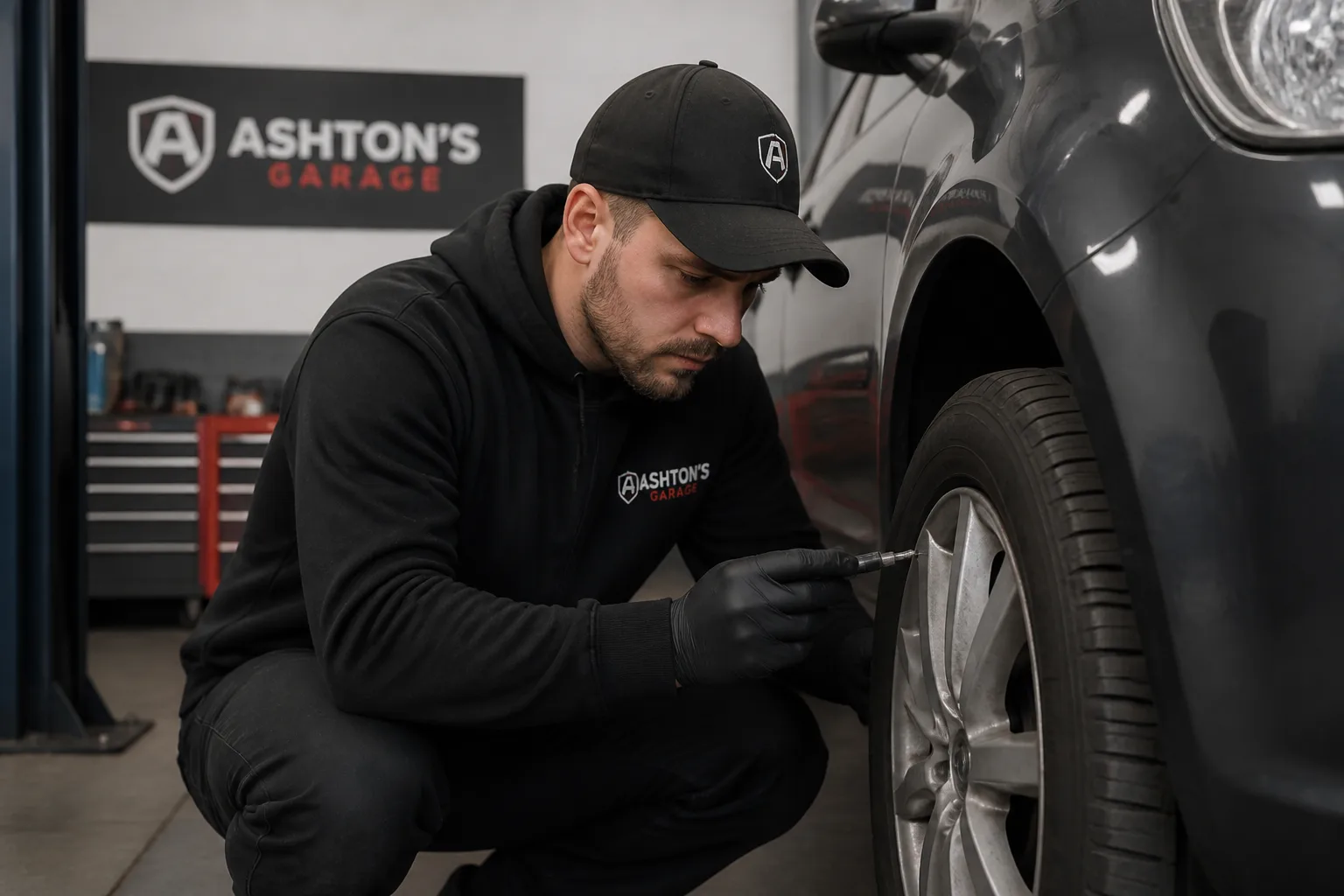
Yes, worn tyres can fail an MOT. Tyres are an important part of your car’s roadworthiness, so an MOT tester checks their condition, tread and fitment as part of the test. A tyre does not have to look completely bald to cause a problem. Uneven wear, damage, exposed cords, a bulge or unsuitable fitment may also be reasons for concern.
It is also possible for a tyre to pass an MOT while receiving an advisory notice. An advisory means the tester has identified an issue that is not serious enough to fail the car on the day, but which may need attention soon. Understanding the difference can help you decide whether the car is suitable for continued everyday use or whether it should be checked promptly.
What does an MOT tester check on a tyre?
The MOT inspection is not a full tyre health assessment, but it includes several important checks. The tester looks for visible defects and confirms that the tyre is in an acceptable condition for the vehicle. This can include:
- Whether the tread is worn beyond the permitted limit
- Uneven wear across the tyre
- Cuts, cracks, bulges or other visible damage
- Exposed cords or other signs of serious deterioration
- Whether the tyre is securely fitted and suitable for the wheel
- Obvious problems with the valve or surrounding wheel area
Some of these faults are straightforward to see, while others may only become clear when the car is raised and the tyre is examined properly. Wear on the inner edge of a tyre, for example, can be difficult to spot when looking at the vehicle from outside. This is one reason a quick glance at the visible side of the tyre cannot guarantee that it will pass an MOT.
How much tyre wear causes an MOT failure?
Tyres must have enough usable tread and must not be dangerously damaged. If a tyre is worn below the permitted level in the relevant part of the tread, the vehicle can fail its MOT. The test also considers the condition of the tyre, so tread depth is not the only issue.
A tyre may be approaching the end of its useful life even before it reaches the failure point. For example, a worn shoulder, cracking in the sidewall or a tread pattern that is wearing unevenly may justify an advisory or a recommendation for replacement. The exact result depends on what the tester can see and how serious the defect is.
It is sensible not to treat the legal or MOT limit as a target. Tyres provide the contact between your car and the road, and reduced tread or poor condition can affect grip, braking and handling, particularly in wet weather. If you can see obvious damage or the tyre is losing pressure, arrange a professional inspection rather than waiting for the MOT to identify the problem.
Can unevenly worn tyres fail?
Yes, uneven wear can contribute to an MOT failure. It can also indicate another problem that needs attention. Wear concentrated on one edge may be associated with wheel alignment, suspension wear, incorrect inflation or a fault elsewhere in the vehicle. It is not always possible to identify the cause from the tyre alone.
Replacing the tyre without checking why it wore unevenly may leave the underlying issue unresolved. The replacement could then begin to wear in the same way. A garage can inspect the tyre, wheel and relevant steering or suspension components, then explain whether the problem appears to be limited to the tyre or requires further investigation.
What is the difference between an MOT failure and an advisory?
A failure means the vehicle has a defect that does not meet the MOT standard. The car will need the relevant issue addressed before it can pass a retest. Whether you can drive it away depends on the circumstances, including the previous MOT status and the nature of the defect. If the tyre is visibly dangerous, damaged or losing pressure, it should not be driven simply because the vehicle is close to a garage.
An advisory is a recorded recommendation about a defect or area of wear that does not amount to a failure at that inspection. An advisory is not the same as a clean bill of health. It gives you useful information about what may need attention before the next test, or sooner if the condition worsens.
If you want to understand an advisory properly, our guide to what an MOT advisory means explains how these recommendations fit into the wider MOT result.
Can I check my tyres before an MOT?
There are a few safe visual checks you can make before bringing the car in. Look at the tread and sidewalls in good daylight, and check for obvious cuts, bulges, cracking or objects lodged in the tread. Notice whether one tyre looks different from the others or whether the car has a tyre pressure warning.
You should also check the pressures against the vehicle manufacturer’s recommended figures, normally shown in the handbook or on a label around the driver’s door area. Do not rely on a visual inspection to judge pressure accurately. If a tyre is repeatedly losing pressure, has a visible bulge or appears damaged, avoid driving on it and seek professional advice.
These checks are useful for spotting warning signs, but they do not replace an inspection by a trained tester. Do not remove wheels or attempt tyre repairs yourself. Tyres and wheels are safety-critical components, and fitting or repairing them incorrectly can create a greater risk.
What happens if your tyres fail the MOT?
The garage should explain which tyre or tyres caused the failure and what needs to be done. In some cases, the required work may involve replacing a tyre. In others, the tyre may be showing the effects of an alignment, suspension or wheel problem that also needs checking.
Ask for a clear explanation of the defect and whether the other tyres show similar wear. It is also worth checking the condition of the spare wheel, if your vehicle has one, although the way it is assessed may depend on how it is carried and intended for use. A professional inspection should distinguish between a straightforward tyre replacement and a wider fault that could affect the car’s safety or cause repeat wear.
If your MOT is due soon, you may find our guide on how early you can book an MOT helpful. Planning ahead can give you time to deal with tyre concerns without leaving the car until the last minute.
Should you drive with worn or damaged tyres?
If the tyres are simply showing normal wear and there are no obvious warning signs, arrange an inspection or MOT without unnecessary delay. However, do not continue driving if a tyre has a bulge, exposed material, a significant cut, a rapid pressure loss or severe uneven wear. Handling may be affected, and the tyre could deteriorate further.
Tyre problems can sometimes be accompanied by vibration, pulling to one side or unusual noise. These symptoms do not identify one definite fault, so they should be checked rather than assumed to be harmless. If the car feels unstable or steering and braking are affected, stop somewhere safe and arrange professional assistance.
How Ashton’s Garage can help
At Ashton’s Garage, we can assess tyre condition as part of an MOT and explain what the result means in plain language. Where a tyre is worn or damaged, the important question is not only whether it passes today, but whether the vehicle is safe and whether another fault is causing the wear. Our workshop team can use appropriate inspection equipment and practical experience to identify what needs attention without recommending work that is not necessary.
For more information about what happens after a failure, you can also read our guide to driving your car after an MOT failure. If your tyres are worn, damaged or raising concerns before the test, you can arrange an MOT with Ashton’s Garage and receive a clear explanation of any work identified.
Frequently asked questions
Can a tyre with tread still fail an MOT?
Yes. An MOT failure can result from visible damage, exposed cords, serious deterioration, unsuitable fitment or other defects, not only from insufficient tread.
Can uneven tyre wear cause an MOT failure?
It can, particularly where the wear is severe or indicates that the tyre is no longer in an acceptable condition. Uneven wear may also point to an alignment, suspension or inflation issue.
Is an MOT advisory about worn tyres serious?
An advisory is not a failure, but it should not be ignored. It means the tester has identified wear or a developing issue that may need attention before the next MOT or sooner if it worsens.
Should I drive to a garage with a damaged tyre?
Do not drive with a bulge, exposed material, major cut, rapid pressure loss or other obvious serious damage. Stop safely and arrange professional assistance, because the tyre may not be safe to use.
Related advice
MOT Retest Rules: What Happens After a Failure?
Failed your MOT? Learn what the result means, when a retest may be free or reduced-price, what happens if repairs are needed, and when it may be unsafe to drive.
How to Prepare Your Car for an MOT
A few sensible checks before your MOT can help you spot obvious problems, avoid preventable failures and understand when your car needs professional attention.
What Does a Major MOT Defect Mean?
A major MOT defect means the vehicle has failed because the tester found a problem that could affect safety, the environment or compliance. Here is what the result means and what to do next.