Can Brake Pads Cause an MOT Failure?
Yes, worn, damaged or contaminated brake pads can contribute to an MOT failure. Find out what testers look for, what an advisory means and when your brakes need professional attention.
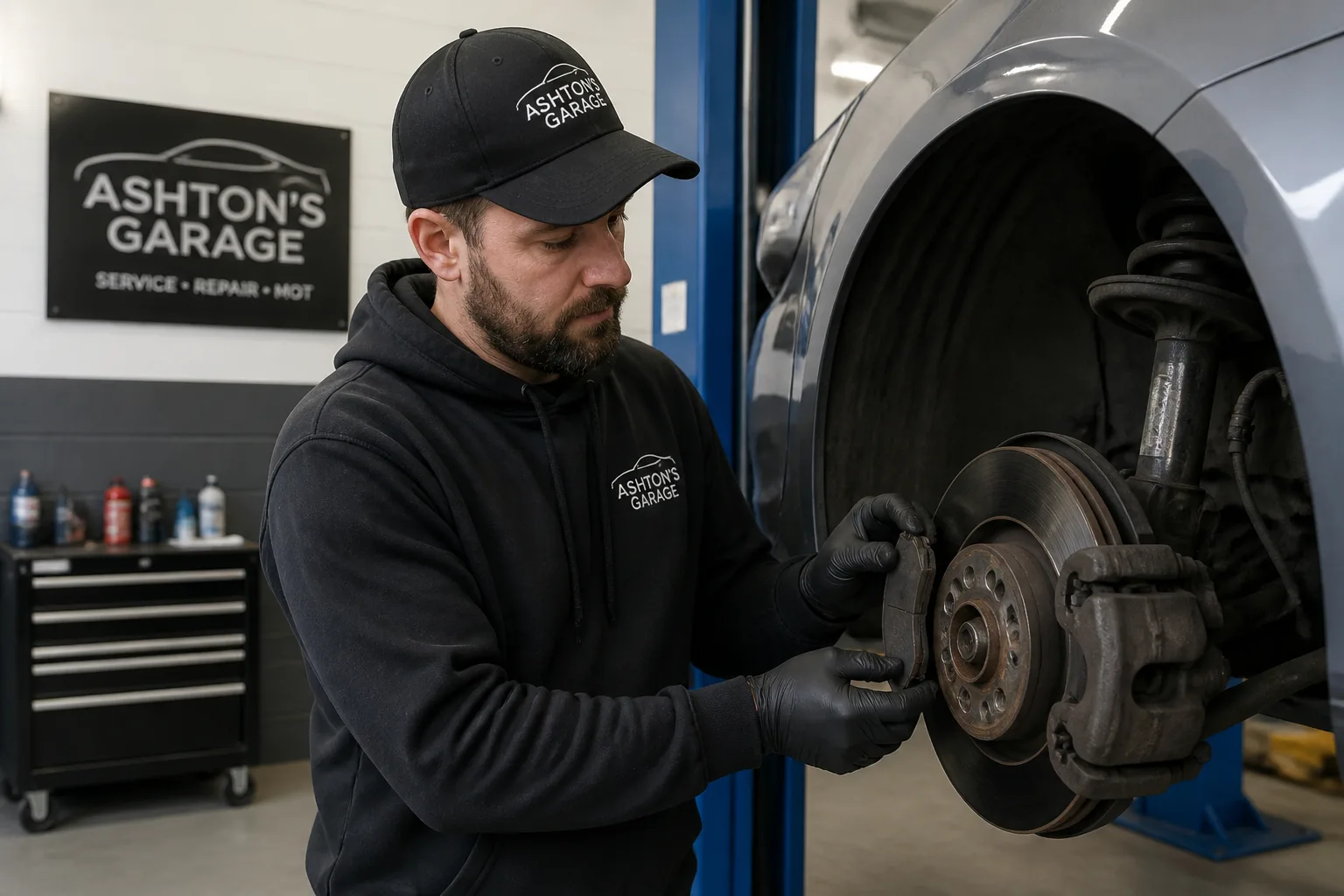
Yes, brake pads can cause an MOT failure. They are a safety-critical part of the braking system, and a tester may fail a vehicle if the pads are excessively worn, damaged, insecure or affected by another fault that means the brakes are not working as they should.
However, an MOT is not simply a visual check of how much pad material remains. The tester also considers the condition and operation of the braking system as a whole. A car might pass with brake pads that are approaching the end of their useful life, while another could fail because the pads are damaged, contaminated or linked to poor braking performance.
If you are concerned about your brakes, the sensible approach is to have the cause checked rather than relying on the MOT to identify every problem. Here is what to know before the test.
How can brake pads lead to an MOT failure?
Brake pads press against the brake discs to slow the vehicle. As they wear, the friction material becomes thinner. If there is still enough usable material and the braking system is operating properly, worn pads may not automatically result in a failure. The tester is concerned with whether the condition and performance of the vehicle meet the required standard on the day.
A failure may be more likely where the pads are:
- Very heavily worn or close to having no usable friction material
- Cracked, broken, loose or insecure
- Contaminated by oil, brake fluid or another substance
- Wearing unevenly because of a seized calliper, sticking slider or another underlying fault
- Associated with poor braking effort, imbalance or another braking-system problem
In some cases, the pad itself is not the main fault. For example, a worn pad on one side may indicate that a calliper or other component is not releasing correctly. Replacing the pad without finding the reason for the uneven wear could leave the vehicle with the same problem.
Will thin brake pads always fail an MOT?
No. Thin pads should not be ignored, but wear is assessed against specific MOT criteria. Current DVSA guidance lists a brake lining or pad worn down to its wear indicator as a major defect, and a pad worn below 1.5mm as a dangerous defect. An illuminated brake-wear indicator on its own is not a reason for MOT failure. The tester also considers the condition and operation of the braking system rather than predicting how long the pads will last.
This is one reason an MOT should not be treated as a substitute for routine maintenance. A pad may have enough material to pass today but need replacement soon afterwards, particularly if you cover high mileage or do a lot of stop-start driving. If the tester records an advisory, it means attention may be needed even though the car has not failed on that item.
If you want to understand the difference between a failure and an advisory, our guide to what an MOT advisory means explains how these recommendations should be viewed.
What brake symptoms should you take seriously?
Some brake symptoms are more important than the MOT result itself. Arrange a professional inspection if you notice grinding, metal-on-metal noises, a scraping sound, vibration through the steering wheel or pedal, pulling to one side, a soft or sinking brake pedal, or a brake warning light.
These symptoms can have several possible causes, including worn pads, damaged discs, hydraulic problems, a sticking calliper or a fault elsewhere in the braking system. It is not possible to identify the cause reliably from a sound or dashboard warning alone.
If braking feels seriously reduced, the pedal goes unusually low, fluid appears to be leaking, or the vehicle pulls sharply when braking, avoid continuing to drive it unless moving it is necessary to reach immediate professional help. A braking fault can affect your ability to stop safely. If in doubt, stop in a safe place and arrange appropriate assistance or inspection.
Can you check your brake pads before an MOT?
There are a few safe observations an owner can make without dismantling anything. You can pay attention to unusual noises, changes in pedal feel, warning lights and whether the car pulls during braking. On some vehicles, part of the pad may be visible through the wheel, but appearances can be misleading and the inner and outer pads may not wear at the same rate.
Do not rely on looking through the wheel as a definitive check, and do not remove wheels or brake components unless you have the correct equipment, knowledge and safe working conditions. Brakes need to be assembled and secured correctly. A garage can inspect the pads, discs, callipers and related components using suitable tools and can check whether the visible symptom points to a wider fault.
What happens if brake pads are found to be faulty?
The next step depends on the condition discovered. If the pads are simply worn, replacement may be appropriate. If they are contaminated or wearing unevenly, the technician should establish why before recommending parts. The discs, callipers, brake hoses and hydraulic system may also need checking where the symptoms suggest an associated problem.
A clear inspection should distinguish between work that is needed for safety, work that is advisable soon and routine maintenance that can wait. This is particularly useful when a vehicle has failed an MOT, as the failure may relate to braking performance or another component rather than the pads alone.
It is also worth checking the wording on the MOT result. An advisory is not the same as a failure, but it can highlight a developing issue. If the car has failed, the result should identify the defect that needs attention. Our guide to driving your car after an MOT failure covers the practical considerations before you use the vehicle again.
How Ashton’s Garage can help
Brake problems need more than a quick guess based on noise or pad thickness. At Ashton’s Garage, a proper inspection can consider the complete braking system and the symptoms you have noticed. Our workshop team uses appropriate tools and practical experience to identify whether the issue is limited to the pads or connected to another component.
We will explain what needs attention and why, rather than assuming every brake concern requires the same repair. If you are arranging an MOT in Salisbury and would like your vehicle checked by an independent garage, you can find information about booking an MOT with Ashton’s Garage.
If your brakes are making unusual noises or feel different from normal, contact the garage before driving any further than is safe. A professional inspection can help establish whether the vehicle is ready for its MOT or whether a braking fault needs attention first.
Summary
Brake pads can contribute to an MOT failure when they are excessively worn, damaged, insecure, contaminated or associated with poor braking performance. Wear alone does not always mean an automatic failure, and an advisory may indicate that replacement or further monitoring is needed.
Because brakes are safety-critical, do not try to predict the result from pad appearance alone. Unusual noises, a change in pedal feel, pulling, vibration or warning lights should be checked professionally, especially where braking performance appears reduced.
Frequently asked questions
Can worn brake pads pass an MOT?
They may pass if they still have usable friction material and the braking system is operating properly. However, an advisory may be recorded if the pads are approaching the end of their service life, and they should not be ignored.
What does an MOT advisory for brake pads mean?
It means the tester has identified a condition that may need attention even though it has not resulted in a failure on that test. A garage can check the remaining pad material and look for uneven wear or related faults.
Can brake noise cause an MOT failure?
Noise itself is not a diagnosis, but it can point to worn pads, damaged discs, a sticking component or another braking fault. If the noise is accompanied by reduced braking, vibration or pulling, arrange a professional inspection and avoid unnecessary driving.
Should I replace brake pads before an MOT?
Not automatically. Replacing parts without checking their condition and the cause of any uneven wear may be unnecessary or fail to address the real problem. A proper inspection can establish whether replacement is needed before the test.
Related advice
MOT Retest Rules: What Happens After a Failure?
Failed your MOT? Learn what the result means, when a retest may be free or reduced-price, what happens if repairs are needed, and when it may be unsafe to drive.
How to Prepare Your Car for an MOT
A few sensible checks before your MOT can help you spot obvious problems, avoid preventable failures and understand when your car needs professional attention.
What Does a Major MOT Defect Mean?
A major MOT defect means the vehicle has failed because the tester found a problem that could affect safety, the environment or compliance. Here is what the result means and what to do next.