Why Do Car Windows Mist Up?
Car windows mist up when warm, moist air meets cold glass. Learn how to clear condensation safely, why it keeps returning and when it may point to a leak or heating problem.
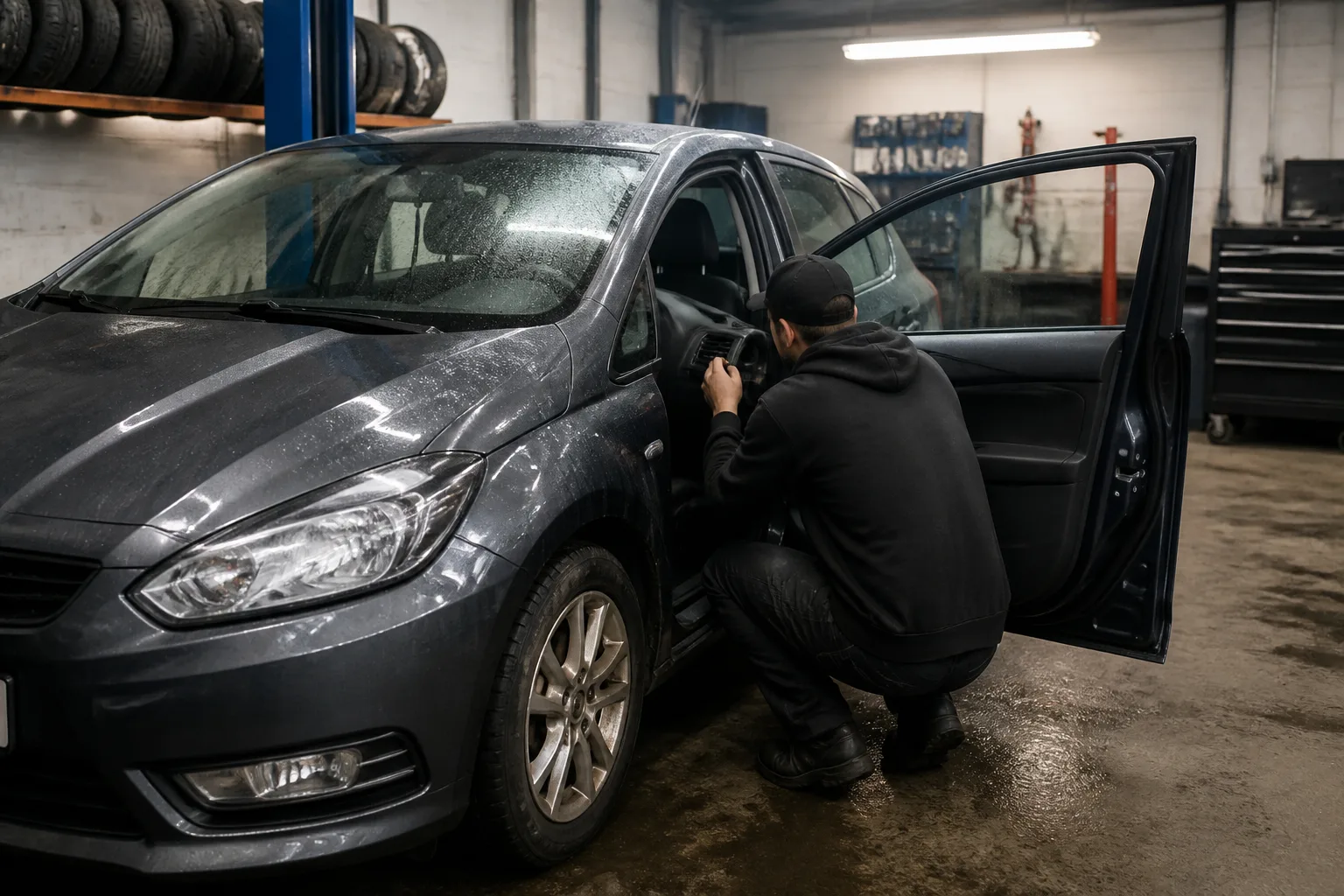
Most drivers will see misted-up windows at some point, particularly during the colder, damper months. It can happen as soon as you get into the car, while driving, or after several people have been travelling together. Although misting is usually caused by condensation, persistent mist can sometimes indicate excess moisture inside the vehicle or a problem with the ventilation system.
Understanding why it happens helps you clear it safely and decide whether it is simply a normal cold-weather nuisance or something worth having checked.
Why do car windows mist up?
Car windows mist up when moist air inside the vehicle comes into contact with cold glass. Air can hold water vapour, but the colder the air becomes, the less moisture it can retain. When warm, damp air reaches a cold window, some of that water vapour turns into tiny droplets on the glass. This is condensation, and it creates the familiar cloudy film.
The moisture inside a car can come from several ordinary sources, including:
- Breathing, especially when several people are in the vehicle
- Wet coats, shoes, umbrellas and floor mats
- Rain entering when a door or window is opened
- Moisture carried into the car during damp weather
- A small water leak around a door seal, boot seal, sunroof or windscreen
Cold mornings make the effect more noticeable because the glass is chilled overnight. The same principle explains why the outside of a cold drink becomes wet in a warm room, although in a car the moisture is often on the inside of the glass.
Is mist on the inside or outside?
Mist on the inside normally points to warm, humid air within the cabin meeting cold glass. Mist on the outside is more likely when the outside air is warmer and more humid than the glass surface. This can happen after the car has been parked outside overnight, or when the air conditioning has made the glass colder.
Inside mist generally clears when the car’s ventilation system sends dry, warm air across the glass. Outside mist may need the windscreen wipers or a careful use of the washer system, provided the screen is otherwise safe and clear.
What is the safest way to clear misted windows?
Do not set off until you have a clear view through the windscreen and all the windows needed for safe observation. Wiping the glass with your hand may clear a small patch temporarily, but it can leave greasy marks and make visibility worse when light catches the screen.
Use the car’s demisting controls instead. In most vehicles, the useful approach is to:
- Select the windscreen demist or defrost setting.
- Use the fan at a suitable higher speed.
- Set the temperature to warm.
- Switch the air conditioning on if the system allows it, even in winter.
- Use fresh air rather than recirculating damp cabin air.
Air conditioning is not only for cooling. It removes moisture from the air, which is why it can help clear condensation more quickly. Fresh air can also reduce the amount of humidity building up inside the car. Once the windows are clear, the fan speed and temperature can be adjusted for comfort.
If the outside of the windscreen is frosted, use an appropriate scraper or de-icer and make sure the glass is fully clear before driving. Do not pour hot water over the windscreen, as a sudden temperature change can damage the glass.
Why does misting keep coming back?
If the windows mist up repeatedly, there may simply be a lot of moisture in the cabin. Check whether floor mats, carpets or the boot area are wet. Wet items should be removed and dried when practical. Leaving a damp coat or umbrella in the car can also add enough moisture to make the problem return.
Persistent condensation can also be associated with a water leak. Possible areas include door seals, the boot seal, the sunroof drains or the windscreen surround. A leak is not always obvious, particularly if water is collecting underneath carpet or soundproofing.
A blocked or restricted cabin air filter may reduce ventilation and make demisting less effective. The cabin filter cleans air entering the interior, and it is commonly replaced as part of routine maintenance, although the exact service interval varies by vehicle.
Another possibility is a problem with the car’s heating or ventilation system. A sweet smell inside the vehicle, greasy mist on the inside of the windscreen or a falling coolant level could suggest an issue involving the heater system. These signs do not confirm a particular fault, but they should not be ignored. Do not dismantle the dashboard or cooling system yourself, as this can create further problems and may involve hot coolant.
Can recirculated air make misting worse?
It can. Recirculation keeps the same cabin air moving around the vehicle, which may help the car warm up but can also allow moisture from occupants and wet clothing to build up. Fresh-air mode is generally more effective when the immediate priority is clearing condensation.
Recirculation can still be useful in other situations, such as reducing unpleasant smells or polluted air outside. It is not inherently wrong to use it, but it is usually better to switch back to fresh air if the windows begin to mist.
When should misted windows be checked by a garage?
Occasional misting on a cold, wet morning is normally part of everyday motoring. It is more worth investigating when the problem is severe, appears in dry weather, or returns soon after the ventilation system has cleared the glass.
Arrange a professional inspection if you notice damp carpets, unexplained water inside the car, a persistent sweet smell, greasy residue on the windscreen, unusual coolant loss or ventilation that is no longer working as expected. A garage can check the relevant seals, drainage points, cabin filter and heating system without relying on guesswork.
Good ventilation is also part of general seasonal preparation. Our guide to winter car maintenance covers other checks that can help during colder, wetter weather. When condensation is persistent or you are unsure whether moisture is entering the vehicle, Ashton’s Garage vehicle servicing can include a practical assessment of the issue and any related maintenance concerns.
In summary
Car windows mist up because moisture-laden air condenses on cold glass. Wet clothing, damp mats and ordinary breathing can all contribute, especially in the UK’s cooler, wetter seasons. Use the demist setting, warm air, air conditioning and fresh-air mode, and never drive until visibility is fully restored.
If misting keeps returning or comes with damp carpets, unusual smells or coolant-related symptoms, it may be more than normal condensation. A professional inspection can identify whether the cause is a leak, restricted ventilation or a heating-system concern.
Frequently asked questions
Should I use air conditioning to clear misted windows in winter?
Yes. Air conditioning removes moisture from the air, so it can help clear interior condensation even when the heater is set to warm. Use the windscreen demist setting and fresh-air mode as appropriate.
Why do my car windows mist up overnight?
Moisture left inside the vehicle can condense on glass as it cools overnight. Wet mats, clothing, umbrellas, leaks and damp weather can all contribute.
Is it safe to drive with misted windows?
No. Do not drive until the windscreen and other necessary windows are clear enough to provide safe visibility. If the glass will not clear properly, arrange professional help rather than continuing.
Why is there greasy mist on the inside of my windscreen?
A greasy film may be caused by contaminants inside the cabin, but if it appears alongside a sweet smell or coolant loss, the heating system should be professionally checked. It is not possible to confirm the cause remotely.
Related advice
How to Clear Your Windscreen Safely in Winter
Learn how to clear frost, ice and condensation from your windscreen safely in winter, using the right tools and avoiding damage to the glass, wipers and paintwork.
How Often Should Wiper Blades Be Replaced?
Wiper blades do not have a fixed expiry date, but most need checking regularly and replacing when they stop clearing the windscreen properly. Learn what affects their lifespan and which warning signs should not be ignored.
How to Prepare Your Car for Frost
A practical guide to getting your car ready for frosty mornings, including checks for the battery, tyres, fluids, visibility and door seals.