When Is It Worth Repairing an Older Car?
Repairing an older car can make good financial sense, but age alone is not the deciding factor. Here is how to weigh condition, repair costs, reliability, safety and future use.
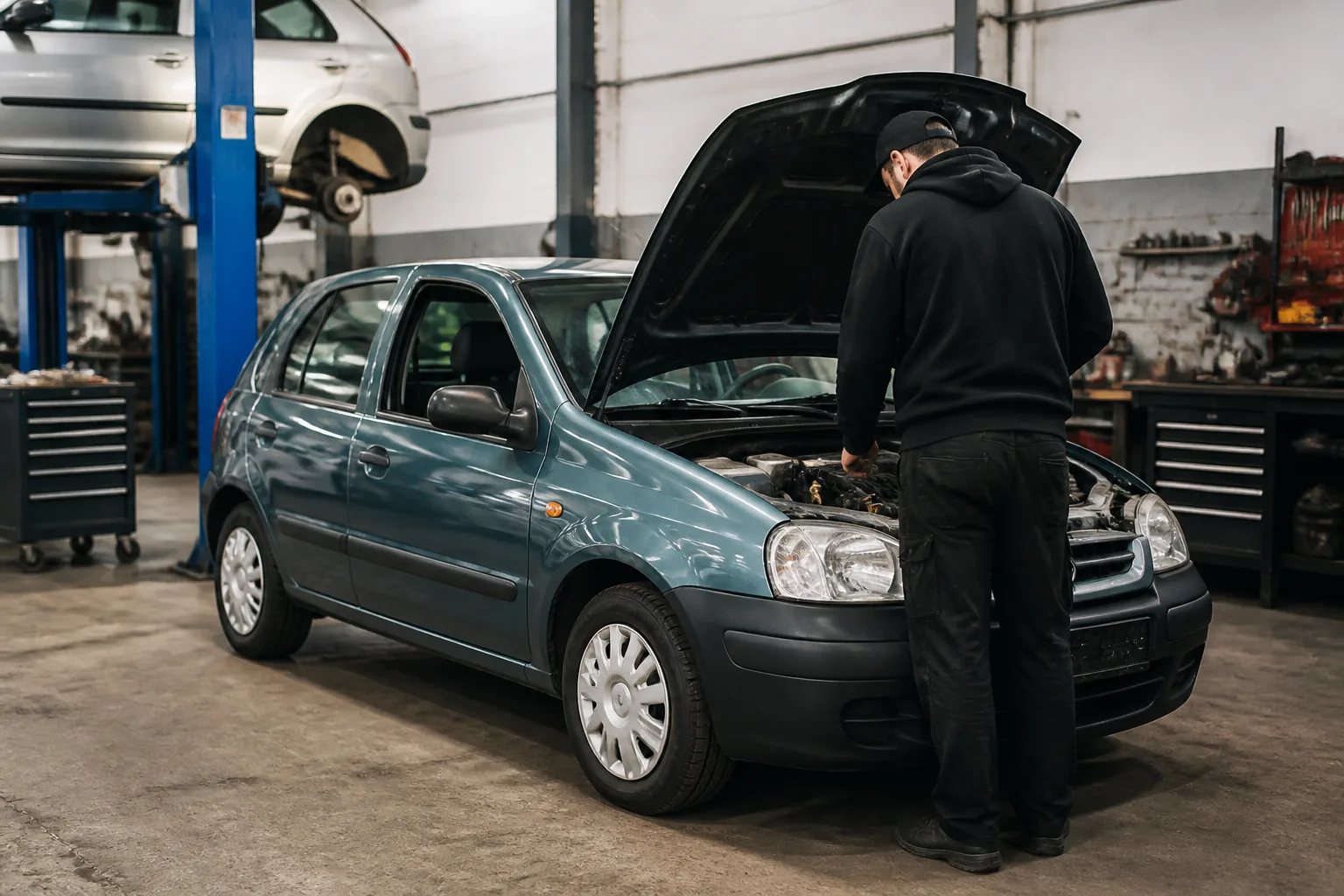
When an older car needs a costly repair, it is natural to wonder whether the money would be better spent replacing it. There is no single age or mileage at which a car stops being worth repairing. The sensible choice depends on the vehicle’s condition, the type of fault, its service history, likely future repairs and whether it still meets your needs.
A repair bill should be considered as part of the car’s overall value, rather than judged in isolation. A well-maintained older car with a sound body and a known history may be a better proposition than a cheaper replacement with unknown problems. On the other hand, a car with serious corrosion, repeated safety faults or several major systems nearing the end of their service life may be difficult to justify financially.
Age is only one part of the decision
Older cars are not automatically poor investments. Some have been maintained carefully and may continue to provide dependable transport for years. Others may have been neglected, used for short journeys or exposed to conditions that have caused wear beneath the surface.
Start by looking at the car’s general condition. Consider:
- Whether the body and underside appear structurally sound
- How consistently the car has been serviced
- Whether it has a clear record of previous repairs
- Its recent MOT history and any recurring advisories
- Whether the engine, gearbox and clutch are behaving normally
- The condition of the tyres, brakes, suspension and steering
- How well the car suits your current driving needs
A vehicle with an honest history and regular maintenance is easier to assess. If you are considering buying an older car rather than repairing one you already own, our guide to what to check when buying a used car covers the main points to investigate before committing to it.
Compare the repair with the cost of replacing the car
It is tempting to compare a repair quote only with the car’s resale value. That can give a misleading answer. If you replace the car, you will also need to account for the purchase price, insurance differences, tax, servicing and the possibility of faults that are not immediately obvious.
Ask yourself what the repair will achieve. Is it fixing one isolated problem on an otherwise sound vehicle, or is it likely to be followed by several other major jobs? A single repair that restores reliable use may be reasonable even if it costs more than the car’s current market value. A large bill on a vehicle with multiple serious defects deserves more caution.
This does not mean spending without limits. A garage should be able to explain what has failed, what needs attention soon and what may reasonably be monitored. You can then make a decision based on the car’s likely future, rather than on the invoice total alone.
Some repairs protect the car’s future
Routine maintenance and smaller repairs can prevent an older car becoming uneconomical. Replacing worn service items, keeping fluids at the correct level and dealing with warning signs early can reduce the chance of secondary damage. A service also gives a technician the opportunity to identify wear that may not yet be causing an obvious symptom.
It is useful to distinguish between maintenance and a major failure. A service, battery, tyre or brake job may be a normal cost of keeping an older car on the road. An engine, gearbox or extensive corrosion repair is a different decision because it may involve greater cost and uncertainty.
Service history is particularly helpful when deciding whether to continue with a vehicle. Records can show whether important maintenance has been carried out and whether the same fault has returned. For more detail, see our guide to what service history a used car should have.
Pay close attention to safety and structural condition
Safety-related faults should not be treated as optional simply because the car is old. Problems affecting braking, steering, tyres, suspension or the vehicle’s structure need proper assessment. Corrosion is especially important because surface rust and structural corrosion are not the same thing, and the difference is not always obvious without an inspection.
If the car is pulling to one side, the brake pedal feels unusual, the steering has excessive play, a tyre is damaged or the vehicle is overheating, avoid assuming it is safe to continue driving. Stop when it is safe to do so and arrange professional advice or inspection. A remote description cannot establish whether a safety-critical fault is minor or serious.
Dashboard warning lights also deserve attention. A warning may relate to a sensor or another relatively contained issue, but it can also indicate a fault that could cause damage or affect roadworthiness. Do not clear a warning without finding out why it appeared. Our guide to checking dashboard warning lights explains why they should be considered when assessing a vehicle.
When repairing an older car may make sense
Repairing is often worth considering when most of the following apply:
- The body and structure are in good condition
- The car has been maintained consistently
- The fault is understood and the repair has a clear purpose
- There are no signs of several major systems failing at once
- The car is suitable for your mileage, journeys and practical needs
- You know the vehicle’s history and trust its condition
There can also be a practical benefit in keeping a familiar car. You know how it drives, what work has already been completed and which small issues may need watching. Replacing it means taking on a different vehicle with its own unknown history.
When replacement may be the more sensible option
Replacement may deserve consideration when the car has substantial structural corrosion, repeated failures, persistent reliability problems or several major repairs due at the same time. It may also be the right choice if the vehicle no longer meets your needs, such as carrying a family, completing longer journeys or complying with your budget for running costs.
Do not make the decision based on one estimate alone if the underlying condition is unclear. Ask for the immediate repair needs, likely follow-up work and any areas that cannot be assessed without further investigation. A professional inspection can help separate confirmed faults from possible future concerns.
Get an assessment before deciding
The most useful answer to “when is it worth repairing an older car?” comes from understanding the car as a whole. Ashton’s Garage can inspect the vehicle, explain the condition in plain terms and help you weigh immediate repairs against longer-term ownership. If the car is approaching a service or you want its condition reviewed before committing to further repairs, you can find details of vehicle servicing in Salisbury.
There is no need to keep an older car simply because you have already spent money on it, and no need to replace a sound vehicle just because it has reached a certain age. Look at its safety, condition, history and likely future costs together. That gives you a more reliable basis for making a decision that suits your circumstances.
Frequently asked questions
Is an older car worth repairing if the repair costs more than its value?
It can be, if the repair is likely to restore reliable use and the rest of the vehicle is in good condition. Compare the repair with the full cost and uncertainty of replacing the car, not only its current resale value.
How do I know whether an older car has too many problems?
Look for repeated faults, serious corrosion, poor maintenance history and major issues affecting several systems at once. A professional inspection can help distinguish confirmed repairs from possible future concerns.
Should I repair an older car before its MOT?
If you already know about a fault, it is sensible to have it assessed before the MOT rather than waiting for a failure. Safety-related problems with brakes, steering, tyres, suspension or structure should be addressed promptly.
Can a service help me decide whether to keep an older car?
Yes. A service or inspection can identify current maintenance needs and highlight wear that may affect future reliability. It cannot predict every fault, but it gives you better information for comparing repair and replacement.
Related advice
How to Keep Useful Car Maintenance Records
Good car maintenance records help you track servicing, understand future repairs and show how a vehicle has been cared for. Here is what to keep and how to organise it.
What Does Full Service History Mean?
A full service history can tell you a great deal about how a used car has been maintained, but the phrase is not a guarantee on its own. Here is what to look for in service records, invoices and digital histories.
Is High Mileage Bad on a Used Car?
High mileage is not automatically a reason to reject a used car. Find out what mileage can tell you, what matters more, and how to assess the car’s condition and history.