How to Keep Useful Car Maintenance Records
Good car maintenance records help you track servicing, understand future repairs and show how a vehicle has been cared for. Here is what to keep and how to organise it.
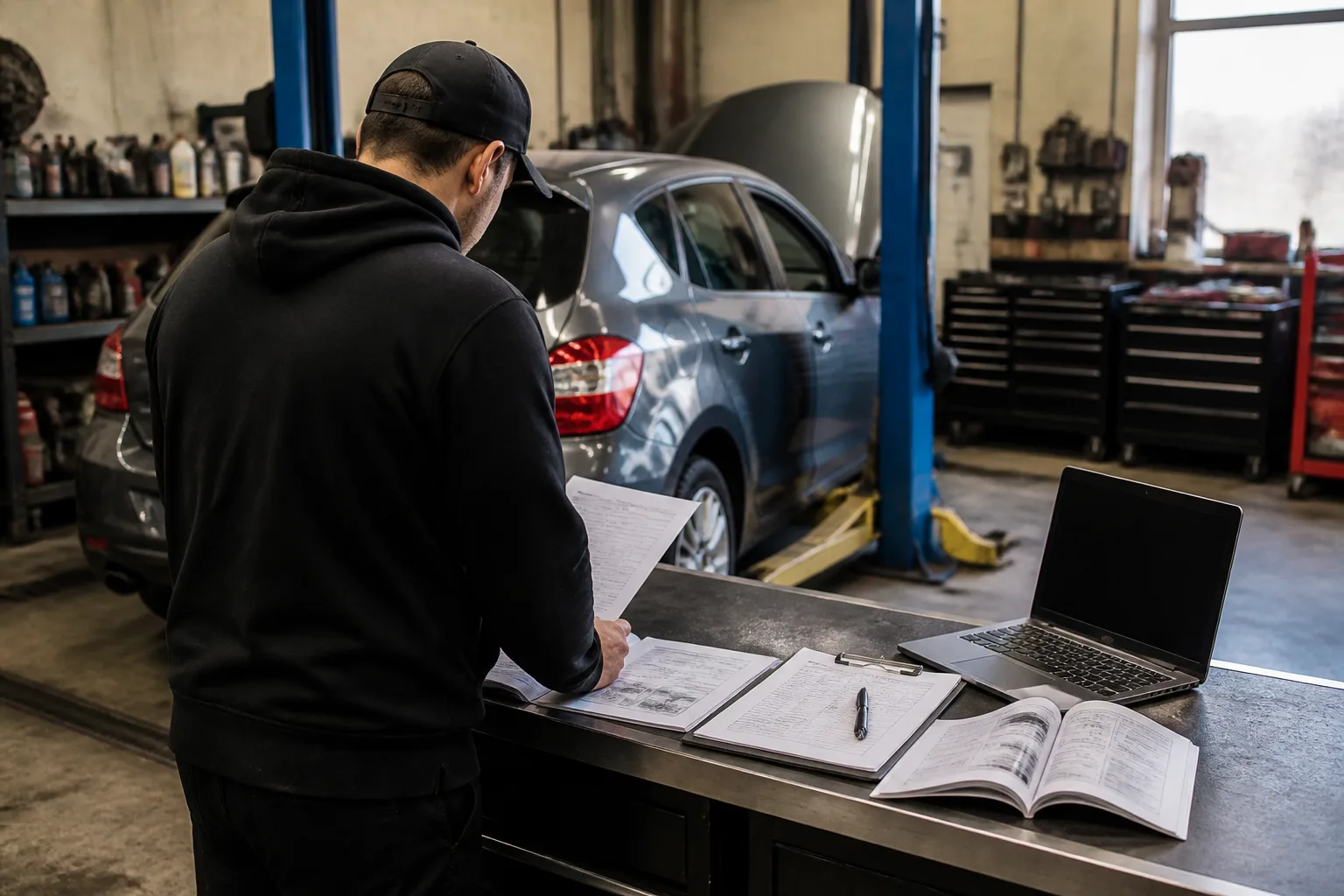
Keeping useful car maintenance records is one of the simplest ways to stay on top of vehicle ownership. A clear record can show when the car was serviced, which parts have been replaced and whether a recurring issue has already been investigated.
It can also make conversations with a garage more productive. Instead of trying to remember what happened several months ago, you can provide dates, mileages, invoices and previous recommendations. That information may help a technician understand the vehicle’s history, although records alone cannot replace a proper inspection.
What counts as a useful maintenance record?
A useful record is more than a stamped service book. It should give a reasonably clear picture of the vehicle’s maintenance over time. Depending on the work carried out, this could include:
- The date the work was completed.
- The vehicle’s mileage at the time.
- The garage or technician who carried out the work.
- The type of service or repair completed.
- Parts replaced, including the brand or specification where relevant.
- Fluids, filters or other consumables used where this information is available.
- Advisories, recommended future work or faults that were monitored.
- Invoices, inspection sheets and relevant test documents.
The aim is not to create paperwork for its own sake. It is to make the vehicle’s history understandable to you, a future owner and any garage that may work on it later.
Keep service records alongside invoices
A service book can be useful, particularly if it lists the date and mileage of each service. However, a stamp on its own may not explain what was actually done. Keep the invoice or service report with it whenever possible.
An invoice may show whether the oil and filter were changed, whether air or cabin filters were renewed, and whether the garage noted any other condition-related issues. It may also record the correct vehicle identification details, which helps avoid confusion if you own more than one car.
If your vehicle uses a digital service history rather than a paper book, ask the servicing garage how the entry is recorded and whether you can have a printed or emailed copy of the work completed. Store that information in the same place as your other records.
For background on the purpose of a service book, see our guide to what a vehicle service book is.
Record the mileage and the reason for the visit
Dates are important, but mileage often provides the better reference for maintenance. Many service schedules are based on time, distance travelled or whichever comes first. Write down the mileage when a service, repair, tyre replacement or inspection takes place.
It is also helpful to record why the vehicle went to the garage. For example, “annual service” is different from “investigated vibration at motorway speed” or “checked intermittent warning light”. A short description creates useful context without attempting to diagnose the fault yourself.
If a warning light appears, note when it came on, whether it stayed illuminated or disappeared, and whether you noticed any changes in the car. Avoid guessing at the cause. A description of what you observed is more useful than a confident but unverified diagnosis.
Our guide to checking dashboard warning lights before buying a used car explains why the warning light history and the vehicle’s condition both matter.
Keep records of repairs and replaced parts
Repair invoices should ideally state what was found and what work was carried out. Keep records for items that can affect future maintenance planning, such as:
- Timing belt or timing chain-related work, where applicable.
- Clutch, brake, suspension or steering components.
- Battery replacement and electrical repairs.
- Cooling system work, including hoses, thermostats or radiators.
- Tyres, including their size and fitting date.
- Air-conditioning servicing or repairs.
- Software updates, recalls or manufacturer campaigns if documented.
Do not assume that a replaced part will last for the same period as the original part. The invoice can show what was fitted, but future replacement intervals depend on the component, vehicle, usage and manufacturer guidance.
Where a garage recommends future work, keep the advisory or inspection sheet even if you decide not to proceed immediately. Add a note about whether the work was later completed. This prevents an old recommendation being mistaken for an outstanding one, or an important item being forgotten.
Store MOT information separately, but keep it with the history
An MOT record is useful evidence of the vehicle’s test history, but an MOT is not the same as a service. The test checks specific items against the requirements that apply at the time of testing. It does not replace routine maintenance or a broader assessment of the vehicle’s mechanical condition.
Keep MOT certificates and any paperwork showing defects or advisories. You can also check a vehicle’s MOT history through the official GOV.UK service. If the online record and your paperwork appear inconsistent, raise the question with the relevant test station or investigate before relying on the history.
When buying a used car, a consistent service history and a sensible MOT history are both worth reviewing. They should be considered alongside the car’s present condition, not used as a guarantee that no problems exist. You may also find our article on what service history a used car should have helpful.
Choose a record-keeping system you will actually use
The best system is one you can maintain accurately. A paper folder works well for keeping invoices, MOT documents and inspection sheets together. You can organise it by date, with the newest documents at the front, or divide it into sections for servicing, repairs, tyres and tests.
A digital folder can be more convenient if you receive invoices by email. Use a clear file name such as “2025-04-18, 82,450 miles, annual service” rather than relying on vague names such as “garage invoice”. Take photographs or scans of paper documents and back them up somewhere secure.
A simple spreadsheet can provide a quick overview. Useful columns include:
- Date.
- Mileage.
- Work completed.
- Parts or fluids used.
- Garage name.
- Next service or follow-up point.
- Notes about advisories or symptoms.
Do not record unnecessary personal information about other people, and protect digital records in the same way as other important documents. The maintenance history should be easy to understand without exposing more information than is needed.
What to take to your next garage appointment
If you are booking a service or asking about a fault, take the most relevant records with you. This could include the latest service invoice, previous inspection notes and details of any recent repair. You do not need to bring a large folder if the issue is straightforward, but significant previous work may be important.
Write down any symptoms before the appointment. Include when they occur, whether the vehicle is hot or cold, and whether they are affected by speed, braking, steering or load. Do not carry on driving if the vehicle has a serious braking, steering or overheating problem, damaged tyre or another condition that may make it unsafe. Stop in a safe place and arrange professional advice or recovery where appropriate.
If your records are incomplete, that does not mean the vehicle cannot be maintained properly. Tell the garage what you do know and explain what is missing. A technician can work from the vehicle’s current condition and help establish a sensible maintenance baseline. You can then keep clearer records from that point onwards. Ashton’s Garage can discuss your vehicle’s existing history and its next maintenance requirements through the vehicle servicing service, without assuming that missing paperwork tells the whole story.
How good records help when selling a car
Well-organised records can make it easier for a prospective buyer to understand how the vehicle has been cared for. Put the documents in date order and separate completed work from recommendations that were not carried out. Be honest about gaps or unknown details.
A tidy history cannot guarantee a vehicle’s condition, and it should never be used to hide faults. However, clear paperwork gives a buyer useful context and helps avoid confusion about major maintenance items. It may also help you remember when routine work is due before advertising the car.
A practical record-keeping checklist
- Keep the service book or digital service entries.
- Save invoices and inspection reports.
- Record the date and mileage for every visit.
- Note what work was completed, not just what was recommended.
- Keep MOT documents and review the official MOT history.
- Record major parts, tyres and fluids where the information is available.
- Store records securely in one paper or digital system.
- Take relevant history with you when asking a garage to investigate a problem.
Good maintenance records are a practical tool, not a paperwork competition. A few accurate notes after each service or repair can make future decisions clearer, support sensible maintenance planning and give a garage better information when your vehicle needs attention.
Frequently asked questions
How long should I keep car service and repair records?
Keep them for as long as you own the vehicle, and pass them to the next owner if you sell it. Older records can still provide useful context, especially for major repairs, timing belt work or repeated faults.
Is an MOT history the same as a full service history?
No. MOT information relates to the vehicle’s test history and recorded results. A service history covers routine maintenance and other work, such as oil changes, filter replacement and repairs.
What should I do if my car has no service history?
Gather any invoices, digital records or previous owner information that is available, then have the vehicle assessed and serviced according to its current condition and manufacturer guidance. Start a new, accurate record from that point.
Should I record minor maintenance such as topping up fluids?
It can be useful to note regular maintenance, particularly if a fluid level needs topping up repeatedly. A repeated need may warrant professional investigation rather than simply being recorded as normal maintenance.
Can car maintenance records prove that a vehicle is reliable?
No. Records show what has been reported or carried out, but they cannot guarantee the vehicle’s current condition. A proper inspection and road test may still be appropriate, especially before buying a used car.
Related advice
What Does Full Service History Mean?
A full service history can tell you a great deal about how a used car has been maintained, but the phrase is not a guarantee on its own. Here is what to look for in service records, invoices and digital histories.
Is High Mileage Bad on a Used Car?
High mileage is not automatically a reason to reject a used car. Find out what mileage can tell you, what matters more, and how to assess the car’s condition and history.
How Much Maintenance Does an Older Car Need?
Older cars do not automatically need constant repairs, but they usually benefit from more regular checks and a clearer maintenance plan. Here is what to expect and how to decide what needs attention.