What Should a Car Owner Check Each Month?
A practical monthly car check covering tyres, lights, fluids, warning lights, visibility and signs that your vehicle needs professional attention.
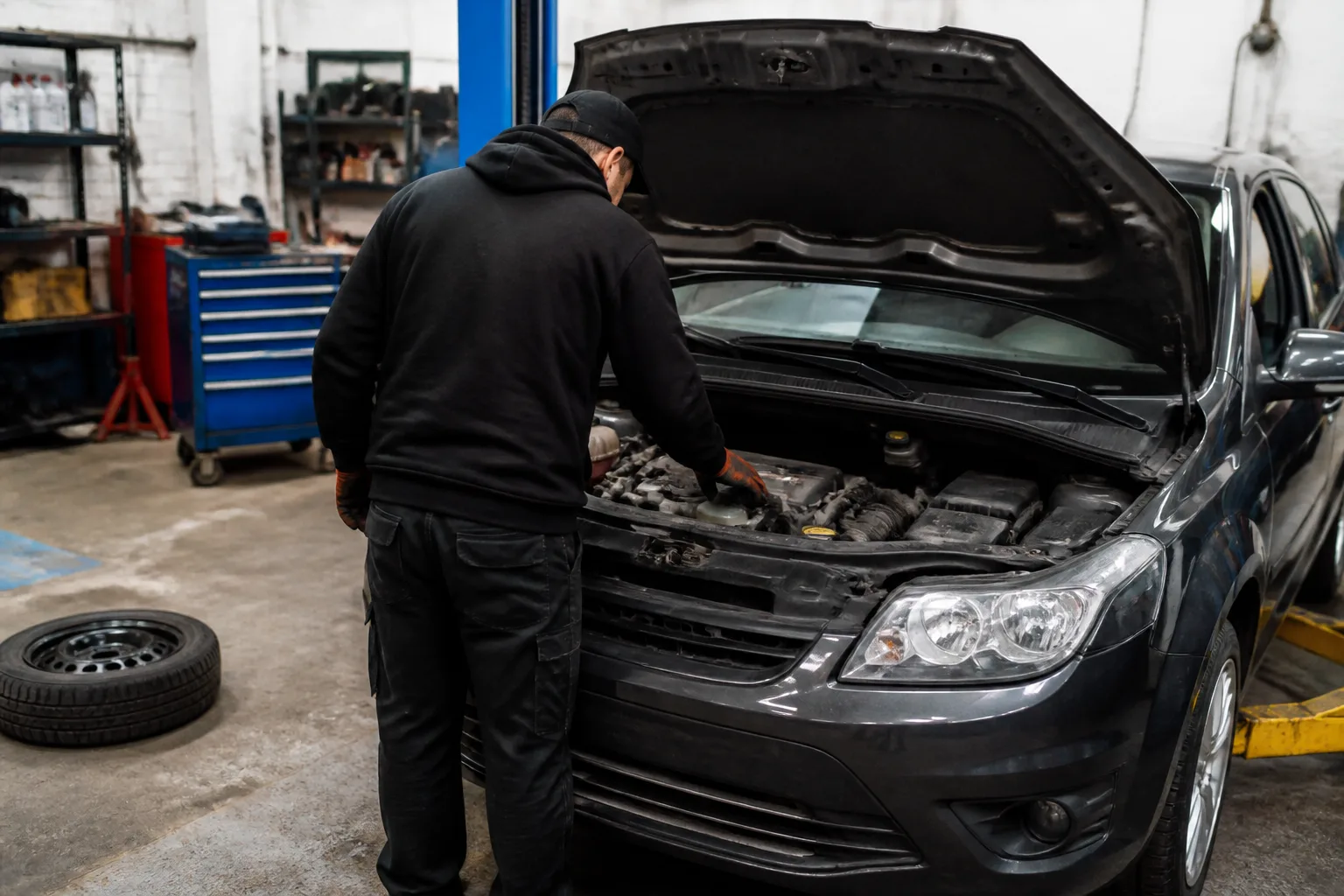
A short monthly check can help you spot small changes before they become inconvenient or unsafe problems. It does not need to be complicated, and you do not need specialist tools for most of the basic observations.
If you are wondering what should a car owner check each month, start with the items that affect safety and reliability: tyres, lights, warning lamps, fluid levels, visibility and anything unusual under or around the car. A monthly check is also a useful way to notice gradual changes that may not be obvious during an ordinary journey.
1. Look at the tyres
Walk around the car and look at each tyre, including as much of the inner sidewall as you can see. Check for obvious cuts, bulges, cracks, objects lodged in the tread or signs that one tyre is losing air.
Uneven wear can also be useful information. For example, wear concentrated on one edge may point to an alignment, suspension or inflation issue, although it cannot be diagnosed reliably from a photograph or a quick glance alone. A tyre that looks damaged or is repeatedly losing pressure should be checked by a suitable professional before the car is used normally.
Check the pressures when the tyres are cold, using the figures supplied by the vehicle manufacturer. These are commonly found in the handbook, inside the fuel flap or on a label around the driver's door area. Do not rely on the maximum pressure printed on the tyre sidewall as the vehicle's recommended setting.
Tread depth should be checked across the tyre rather than in one convenient spot. The legal minimum is not the same as a sensible replacement point, particularly if the tread is wearing unevenly or the tyre is showing age-related damage. If you are unsure about the condition of a tyre, ask a garage or tyre specialist to inspect it.
2. Check that all the lights work
Lights are easy to overlook because many faults are not visible from the driver's seat. With the vehicle safely parked, check the sidelights, dipped headlights, main beam, indicators, hazard lights, brake lights, reversing lights and rear fog light where fitted.
You may need another person to operate the controls while you walk around the car, or you can use reflections from a suitable surface. Keep lenses reasonably clean, and look for condensation, cracks or a lamp that appears noticeably dimmer than the others.
A dashboard message or warning lamp relating to exterior lighting should not be ignored. Some vehicles can identify a failed bulb, while others may not detect every lighting problem. If a light is not working and you cannot safely resolve it within the vehicle's normal owner guidance, arrange an inspection.
3. Pay attention to warning lights and messages
When you start the car, note whether warning lights behave as expected. Many briefly illuminate during the starting sequence as part of a system check and then go out. A warning light that remains on, flashes, or appears while driving needs more attention.
Do not assume that a car is safe simply because it still feels normal. Warning lights can relate to braking, steering, engine temperature, oil pressure, airbags or other systems. The meaning varies between vehicles, so use the owner's handbook rather than guessing from the colour alone.
If a red warning light appears, a brake or steering warning comes on, the engine temperature rises, or the car develops a serious change in handling, stop somewhere safe and seek professional advice. Continuing to drive may increase the risk of damage or make the vehicle unsafe.
4. Check the fluid levels
With the car parked on level ground and the engine cool where appropriate, look at the fluid reservoirs that are intended for routine owner checks. Depending on the vehicle, these may include engine oil, engine coolant, screenwash and brake fluid.
Use the owner's handbook for the correct checking method and fluid specification. Some vehicles require the oil level to be checked under particular conditions, and coolant systems can be pressurised when hot. Never remove a coolant cap from a hot engine.
Screenwash is simple to top up with a suitable product, but repeated low levels of oil, coolant or brake fluid should not be treated as routine. A falling level may indicate a leak, wear or another fault. Brake fluid in particular is safety-related, so arrange professional advice rather than simply topping it up and carrying on.
5. Inspect the windscreen, mirrors and wipers
Good visibility is essential in poor weather and at night. Look for chips or cracks in the windscreen, especially in the driver's area, and check that the mirrors are secure and correctly positioned.
Run the washers and wipers when it is safe to do so. Streaking, smearing, juddering or missed areas can indicate worn blades, a dirty screen or blocked washer jets. Refill the screenwash reservoir with a product suitable for the season and vehicle, following the instructions on the container.
Do not ignore a windscreen chip that is growing or in a position that affects your view. A windscreen specialist or garage can advise whether it can be repaired or needs further attention.
6. Look for leaks and anything out of place
Before moving the car, look underneath for fresh drops or damp patches. Water from air conditioning can be normal, but coloured, oily or strongly scented fluids may need investigation. The appearance of a fluid is not enough to identify it with certainty, so avoid touching unknown substances.
Also look under the bonnet for loose covers, damaged hoses, frayed wiring or signs of fluid around reservoirs. These are observation checks, not an invitation to dismantle components. If something looks damaged, smells of fuel or becomes hot or noisy, leave it alone and obtain professional advice.
7. Notice changes while driving
A monthly check should include what you have noticed on recent journeys. Pay attention to new vibrations, pulling to one side, unusual noises, juddering under braking, a clutch that feels different, or a change in fuel consumption. One symptom can have several possible causes, so it is not sensible to diagnose the fault from the symptom alone.
Braking, steering and overheating concerns deserve particular care. If the brake pedal feels unusually soft, the vehicle is difficult to control, the steering suddenly becomes heavy, or the temperature warning appears, stop when safe and arrange a professional inspection. Do not continue a normal journey simply because the car still starts.
8. Check the car's records and next service date
Finally, check when the next service, inspection or MOT is due, and make a note of any advisories or repairs that have been mentioned previously. A monthly reminder can help prevent routine maintenance being forgotten.
If you are buying a vehicle, its records can also help you understand how it has been maintained. Our guides on what to check when buying a used car, what service history a used car should have and what a vehicle service book is explain these points in more detail.
What a monthly check cannot tell you
These checks are useful for spotting visible problems and changes, but they do not replace servicing, an MOT or a proper inspection. Important components can wear internally or underneath the vehicle without producing an obvious sign during a driveway check.
If a warning keeps returning, a fluid level drops, a tyre is damaged, or the car's behaviour changes, a technician can investigate it safely and establish what needs attention. For planned maintenance or advice about a vehicle that is due a service, you can find out about vehicle servicing at Ashton's Garage.
A calm, consistent monthly check is usually enough to improve your awareness of the car's condition. The aim is not to carry out repairs yourself. It is to recognise when something has changed and make a sensible decision before a minor concern becomes a larger problem.
Frequently asked questions
How often should I check my car's tyre pressures?
Check them regularly and before longer journeys, following the vehicle manufacturer's guidance. Monthly checks are a useful minimum routine, but a tyre that looks low or has recently been repaired should be checked sooner.
Should I check my car when the engine is hot or cold?
It depends on the check. Tyre pressures are normally checked when the tyres are cold, while some fluid checks have specific instructions in the handbook. Never open a hot coolant system, and use the manufacturer's guidance if you are unsure.
What should I do if a warning light stays on?
Check the owner's handbook for the meaning and note whether the light is red, amber or flashing. A braking, steering, oil pressure or temperature warning can indicate a safety-critical issue. Stop safely and seek professional advice if continuing to drive may be unsafe.
Can a monthly check replace a car service or MOT?
No. A monthly check helps you notice visible problems and changes between appointments, but it cannot assess every component or replace scheduled servicing and the MOT process.
Related advice
How to Keep Useful Car Maintenance Records
Good car maintenance records help you track servicing, understand future repairs and show how a vehicle has been cared for. Here is what to keep and how to organise it.
What Does Full Service History Mean?
A full service history can tell you a great deal about how a used car has been maintained, but the phrase is not a guarantee on its own. Here is what to look for in service records, invoices and digital histories.
Is High Mileage Bad on a Used Car?
High mileage is not automatically a reason to reject a used car. Find out what mileage can tell you, what matters more, and how to assess the car’s condition and history.