Is High Mileage Bad on a Used Car?
High mileage is not automatically a reason to reject a used car. Find out what mileage can tell you, what matters more, and how to assess the car’s condition and history.
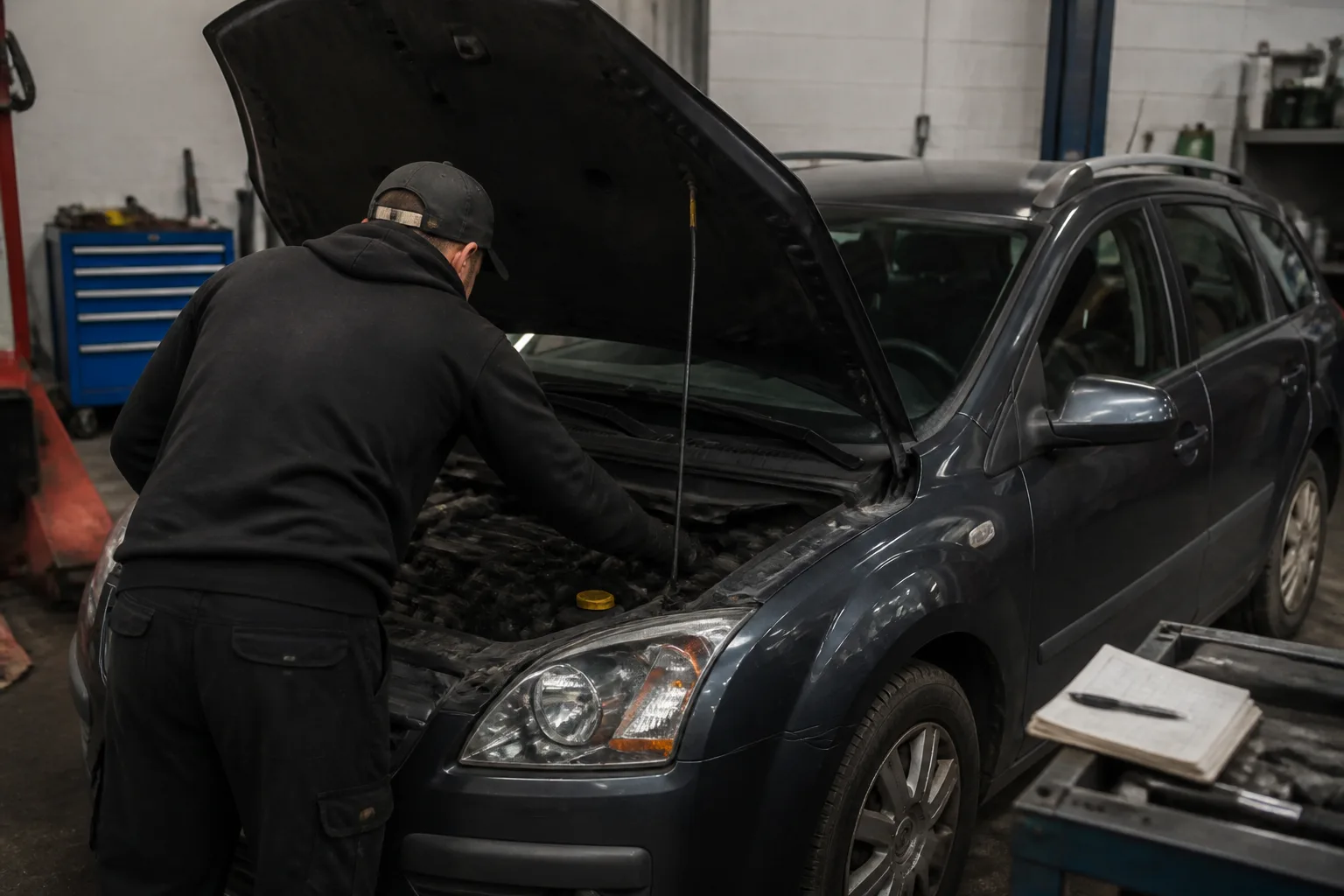
Is high mileage bad on a used car? Not necessarily. A car with a higher odometer reading can still be a sensible purchase if it has been maintained properly, driven considerately and priced to reflect its age and condition.
Equally, a low-mileage car is not automatically a better choice. A vehicle that has covered relatively few miles may have spent long periods standing, made mostly short journeys or missed important servicing. Mileage is useful information, but it is only one part of the picture.
What does high mileage mean?
There is no single mileage figure that makes a used car good or bad. What counts as high depends on the vehicle’s age, engine, fuel type, use and maintenance record. A car that has covered steady motorway miles may have experienced less wear in some areas than a similar car used mainly for short urban journeys.
It is more helpful to ask whether the mileage is believable and whether the car has been maintained in line with the manufacturer’s recommendations. The condition of the engine, clutch, gearbox, suspension, brakes, bodywork and interior should broadly make sense for the recorded mileage.
For example, a well-presented car with a complete history and higher mileage may be more reassuring than a low-mileage car with gaps in its records, worn controls and signs of neglect.
Why mileage matters when buying a used car
Mileage gives an indication of how much use a vehicle has had. Some components are designed to wear gradually, so a car with more miles may be closer to needing work on items such as the clutch, suspension components, exhaust, brakes or timing system. That does not mean those parts are about to fail, but their age and condition should form part of your buying decision.
Higher-mileage cars may also have more marks, stone chips and interior wear. These are not necessarily mechanical problems, but they can help you judge whether the vehicle’s condition matches its history.
The type of driving is important too. Frequent short journeys can put particular strain on the engine, battery and exhaust system, while long-distance driving can add miles without the same number of cold starts. Neither pattern guarantees a problem, so it is best treated as useful context rather than a diagnosis.
What matters more than the mileage figure?
Service history
A clear service history is one of the most useful things to look for. Check whether servicing was carried out at suitable intervals and whether the records identify the work completed. Invoices can be helpful because they may show repairs and replacement parts that are not obvious from a stamped service book.
Do not assume that a service history means every component is in perfect condition today. It shows how the car has been looked after, but a current inspection is still important. Our guide to what service history a used car should have explains the records worth checking.
Overall condition
Look at the car in daylight if possible. Check for uneven panel gaps, mismatched paint, corrosion, damaged wheels and tyres with unusual wear. Inside, compare the condition of the steering wheel, pedals, driver’s seat and gear selector with the claimed mileage.
Some wear is normal and can be repaired, but a major mismatch between the odometer and the rest of the car deserves careful questions. You should also check that the vehicle identification details and paperwork are consistent.
MOT and maintenance records
An MOT history can provide useful clues about recurring advisories and the way the car has performed its annual test. It is not a complete mechanical inspection and a recent MOT does not guarantee that a car is free from faults. Use it alongside the service records and a physical inspection.
Warning lights should also be taken seriously. Check what appears when the ignition is switched on and whether the lights go out after the engine starts. A seller should be able to explain any warning light that remains illuminated. You can read more in our guide to checking dashboard warning lights before buying a used car.
Are high-mileage petrol and diesel cars different?
Fuel type can affect what you should look for, although the individual car remains more important than a general rule.
Diesel cars are often chosen for longer journeys, but they can be unsuitable for drivers who mainly make short trips. Their emissions systems and other components can be affected by the type of use. A diesel with high mileage is not automatically a problem, particularly if it has been serviced properly, but ask how it was driven and whether relevant maintenance has been documented.
Petrol cars can also cover high mileages successfully. Listen for unusual noises, watch for smoke or fluid leaks and check whether the engine starts and runs smoothly from cold. Do not rely on a brief drive alone, as some problems only become apparent when the car is warm.
Hybrid and electric vehicles need a slightly different assessment. The battery condition, charging equipment, software or system warnings and available manufacturer support may be more relevant than simply comparing odometer readings. A specialist inspection may be sensible if you are unfamiliar with the technology.
Questions to ask before buying a high-mileage car
- Can the seller show the service history and supporting invoices?
- How has the car mainly been used, such as local trips, commuting or motorway driving?
- When were major scheduled maintenance items last completed?
- Are there known faults, warning lights or advisories that need attention?
- How many previous keepers has the car had, and does the paperwork match the vehicle?
- Can you view and drive the car when the engine is cold?
- Will the seller allow an independent inspection or a garage check?
A test drive should give you time to assess the clutch, gearbox, steering, brakes, suspension and engine response. Any strong vibration, persistent warning light, serious pulling under braking, unusual smoke or loud mechanical noise needs proper investigation. Do not assume a fault is harmless simply because the car has a high mileage.
Should you get a high-mileage used car inspected?
An independent inspection can help turn a general impression into a more informed decision. A garage can assess visible condition, look for signs of leaks or wear and explain which issues are immediate concerns, which are normal maintenance and which may become future costs.
This is particularly useful when the car is older, has incomplete records or is being sold without a meaningful warranty. It may also help you negotiate fairly, although there is no guarantee that every future repair can be predicted.
For ongoing ownership, regular servicing matters more than trying to avoid a particular number on the odometer. Keeping up with the correct service schedule and addressing small faults before they develop can help a higher-mileage vehicle remain dependable. If you are buying or running one in the Salisbury area, Ashton’s Garage can help with vehicle servicing and practical advice based on the car’s condition and maintenance needs.
So, is high mileage bad on a used car?
High mileage is not automatically bad. It can mean that some wear-related repairs are more likely to be due, but a well-maintained, honestly represented car may be a better choice than a low-mileage vehicle with poor records or neglected maintenance.
Judge the whole car: its history, condition, type of use, service requirements and likely future costs. If you are unsure, arrange an independent inspection before committing. That approach gives you a clearer understanding of what you are buying without treating the odometer reading as the whole story.
For a wider inspection checklist, see our guide to what to check when buying a used car.
Frequently asked questions
What mileage is too high for a used car?
There is no universal mileage limit. The car’s age, service history, condition, type of use and expected maintenance costs are more useful than one odometer figure.
Is a high-mileage car worth buying?
It can be, if the mileage is credible, the car has been maintained properly and its price reflects its age and condition. An independent inspection can help identify likely repair needs before you buy.
Is low mileage always better?
No. Low mileage does not prove that a car has been well cared for. Long periods unused or frequent short journeys can bring their own maintenance concerns, so the records and current condition still matter.
Should I get a used car checked before buying it?
An independent check is sensible when the car is older, has high mileage, incomplete history or signs of wear. It can help explain the condition and possible future maintenance, although it cannot predict every fault.
Related advice
How to Keep Useful Car Maintenance Records
Good car maintenance records help you track servicing, understand future repairs and show how a vehicle has been cared for. Here is what to keep and how to organise it.
What Does Full Service History Mean?
A full service history can tell you a great deal about how a used car has been maintained, but the phrase is not a guarantee on its own. Here is what to look for in service records, invoices and digital histories.
How Much Maintenance Does an Older Car Need?
Older cars do not automatically need constant repairs, but they usually benefit from more regular checks and a clearer maintenance plan. Here is what to expect and how to decide what needs attention.