How Often Should an Air Filter Be Changed?
Find out how often a car air filter should be changed, what affects its service life, and why your vehicle handbook and driving conditions matter.
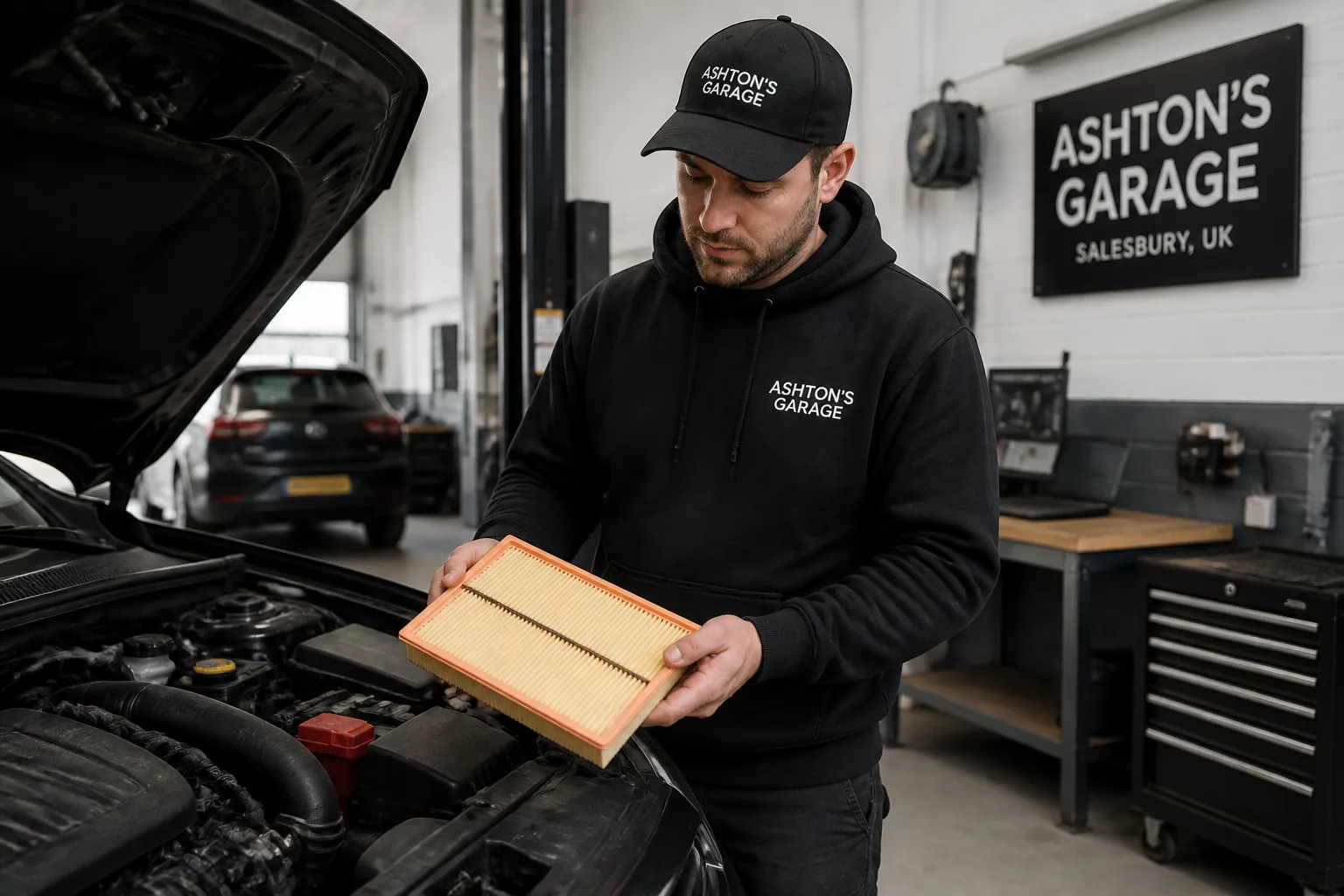
The engine air filter has a straightforward job: it stops dust, grit, insects and other debris from being drawn into the engine with the incoming air. It is a relatively simple component, but it plays an important part in protecting the engine and helping it receive the air it needs for efficient combustion.
So, how often should an air filter be changed? There is no single interval that applies to every car. The correct timing depends on the vehicle manufacturer's service schedule, the type of driving you do and how dirty the filter has become. Many air filters are checked during routine servicing and replaced when required, rather than changed at exactly the same mileage on every vehicle.
What is the usual air filter replacement interval?
Your owner's handbook or servicing schedule is the best starting point. Some manufacturers specify an inspection interval and a separate replacement interval. Others include air filter replacement as part of a particular service, while some schedules allow the filter to be replaced based on its condition.
As a general guide, an engine air filter may need changing during a scheduled service after a number of years or a specified mileage, but the range can be wide. A car used mostly on clean, well-surfaced roads may keep its filter in good condition for longer than a vehicle regularly driven on dusty lanes, building sites or unsealed roads.
It is also worth remembering that service intervals are not always based on mileage alone. If you drive very little, the air filter still ages and can collect dust over time. This is one reason it should be considered as part of the vehicle's overall maintenance plan. Our guide to how often you should service your car explains why time as well as mileage matters.
What can shorten an air filter's service life?
Several conditions can cause an air filter to become restricted sooner than expected:
- Dusty or dirty roads: Regular driving through loose dust, dry mud or road grit can load the filter more quickly.
- Rural and agricultural routes: Fields, verges and unsealed tracks can put more airborne material into the intake system.
- Heavy traffic: A vehicle that spends a lot of time in congested areas may draw in more soot and general road debris than one used mainly on open roads.
- Local environmental conditions: Construction work, fallen leaves and other debris can affect the air around the intake.
- Previous maintenance issues: A poorly sealed airbox or damaged intake duct can allow unfiltered air or excess debris into the system.
These factors do not automatically mean there is a fault with your car. They simply mean the filter may deserve closer attention than the standard schedule alone suggests.
What happens if an air filter is left too long?
As the filter collects dirt, it can become more restrictive. The engine management system may compensate to some extent, but a heavily loaded filter can affect the amount of air available to the engine. Possible effects include reduced responsiveness, less consistent performance or increased fuel use. However, these symptoms can have many other causes, including ignition, fuel, sensor or exhaust problems.
A dirty filter is therefore not a reliable diagnosis by itself. Replacing it may be appropriate, but it is important not to assume that a new filter will solve every running problem. If the car is misfiring, losing power, displaying a warning light or using noticeably more fuel, a proper inspection can help identify the real cause.
Can you tell if an air filter needs changing by looking at it?
A visual check can sometimes show that an air filter is heavily covered in dirt, leaves or other debris. You may also notice obvious damage or signs that the filter has not been seated correctly. This can be a useful basic observation, but colour alone is not a dependable test. A filter does not have to look completely black before it needs attention, and a filter that looks acceptable from above may still be restricted or damaged.
Opening an airbox can also introduce dirt if it is not handled carefully, and the correct sealing of the housing matters. For that reason, most motorists are better served by asking for the filter to be checked during a service rather than treating a visual check as a complete assessment. A garage can compare its condition with the manufacturer's requirements and check that the surrounding intake system is secure.
Is the engine air filter the same as the cabin filter?
No. This is a common source of confusion.
The engine air filter protects the engine by filtering air entering the intake system. The cabin air filter, sometimes called a pollen filter, filters air entering the passenger compartment through the ventilation and heating system. They have different jobs and may have different replacement schedules.
A blocked cabin filter may reduce airflow from the vents or make the ventilation system less effective. It does not mean that the engine air filter is blocked, and changing one does not replace the other. If you are unsure which filter your vehicle needs, the vehicle handbook or a garage can clarify this.
Should an air filter be changed during every service?
Not necessarily. A service should follow the vehicle manufacturer's schedule and take account of the car's condition. Depending on the model, the air filter may be due for replacement at a particular service, or it may be inspected and changed only when necessary.
This is one reason a service should involve more than simply replacing a fixed list of parts. The technician should use the correct schedule for the vehicle, assess relevant components and explain anything that needs attention. It also avoids replacing parts unnecessarily while making sure important maintenance is not missed.
If you are comparing different service types, our guide to what is included in a full car service may help. We also explain the difference between an interim service and a full service, as the checks and scheduled items can vary.
What should you do if you are unsure?
Check the vehicle handbook first, especially if you have recently bought the car or do not know when its last service was carried out. Keep a note of the date and mileage of maintenance work where possible. If the service history is incomplete, a garage can inspect the car and advise what is due based on its make, model, engine and current mileage.
At Ashton's Garage, we use the appropriate service information and practical workshop checks rather than guessing from a generic interval. We can inspect the engine air filter, consider the way the car is used and explain whether replacement is due or whether another part of the vehicle needs investigation. This is particularly useful for motorists in and around Salisbury who want straightforward advice without unnecessary work.
If you are unsure when your air filter was last changed, you can arrange a routine vehicle service in Salisbury and ask us to check it as part of the relevant maintenance schedule. It is a sensible way to keep the filter and other service items under control without replacing parts simply because a generic internet interval says so.
Frequently asked questions
How often should a car air filter be changed?
The correct interval varies by vehicle. Check the manufacturer's service schedule, as some cars specify a replacement interval while others require inspection and replacement according to condition. Dusty or dirty driving conditions may mean it needs attention sooner.
What are the signs of a dirty engine air filter?
Possible signs include reduced responsiveness, inconsistent performance or increased fuel use, but these symptoms can have several causes. A garage inspection is the best way to confirm whether the air filter is responsible.
Is an engine air filter the same as a pollen filter?
No. The engine air filter cleans air entering the engine, while the pollen or cabin filter cleans air entering the passenger compartment. They are separate parts with different maintenance requirements.
Can I change my car's air filter myself?
Some air filters are accessible, but the housing must be correctly closed and sealed afterwards. If you are unsure which filter is required or whether there is an underlying intake problem, it is safer to have the work checked by a suitably equipped garage.
Related advice
What Is Brake Fluid and Why Does It Need Changing?
Brake fluid transfers pressure from the pedal to the brakes, but it can absorb moisture over time. Here is why changing it matters and what warning signs to take seriously.
How Often Should Engine Coolant Be Changed?
Engine coolant does more than stop your car freezing in winter. Find out how often it usually needs changing, why the interval varies, and which warning signs should be checked by a garage.
What Is a Timing Belt and When Does It Need Replacing?
A timing belt keeps your engine’s internal parts moving in sync. Learn what it does, how often it may need replacing and why relying on symptoms alone can be risky.