How Much Maintenance Does an Older Car Need?
Older cars do not automatically need constant repairs, but they usually benefit from more regular checks and a clearer maintenance plan. Here is what to expect and how to decide what needs attention.
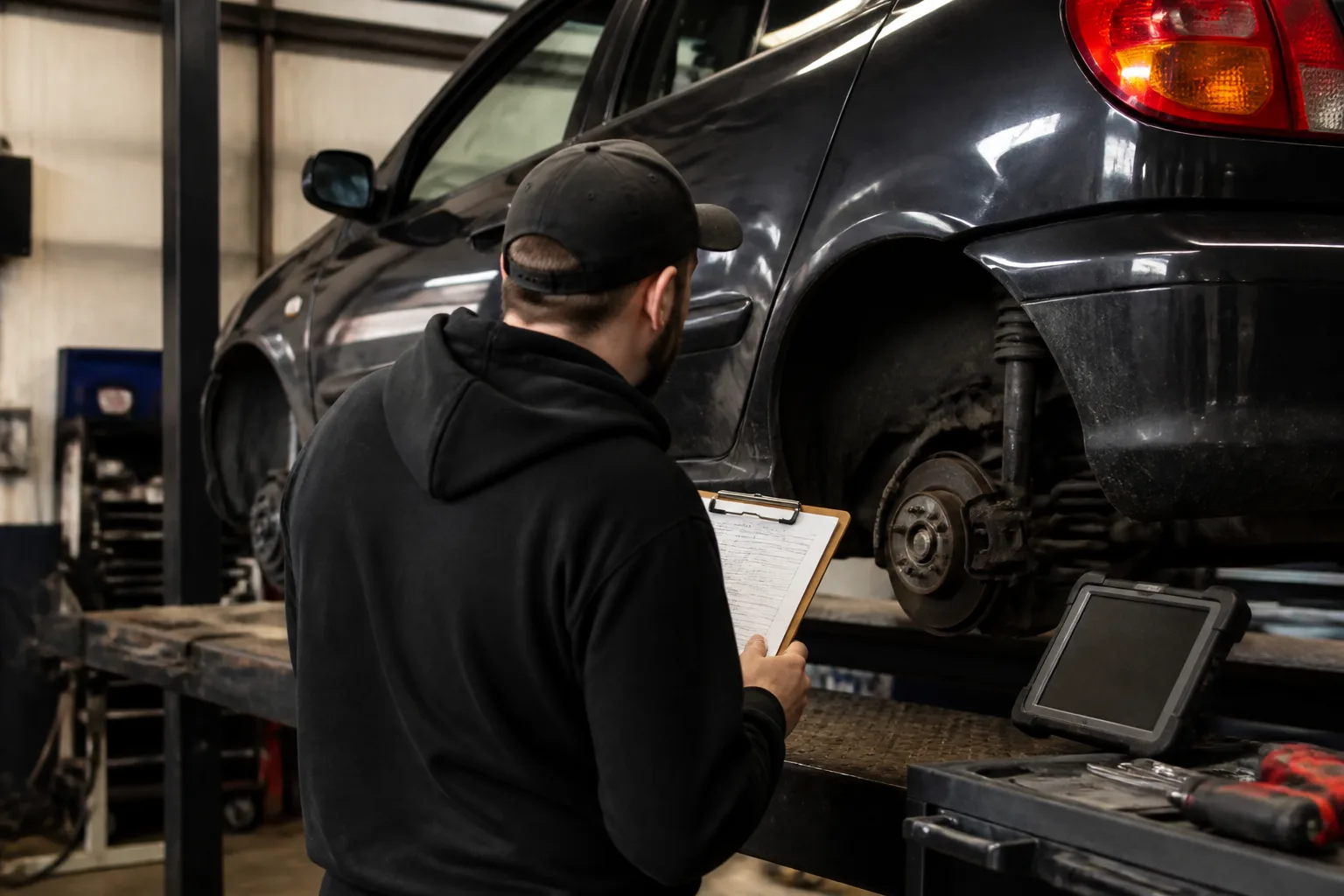
How much maintenance does an older car need? The honest answer depends on the car’s age, mileage, service history, condition and how it is used. An older vehicle with a well-documented history may be more dependable than a newer car that has been neglected.
However, as a car gets older, more of its components are affected by wear, age and corrosion. Maintenance is therefore less about reacting to every noise and more about keeping on top of routine servicing, inspections and small problems before they become more expensive or affect safety.
What counts as an older car?
There is no single age at which a car becomes old. For maintenance purposes, condition and history matter more than the number on the registration document. A car with higher mileage, frequent short journeys or a history of missed servicing may need more attention than a lower-mileage car used gently and maintained properly.
Age can affect parts even when the car has not travelled far. Rubber hoses, seals, belts, suspension bushes and tyres can deteriorate over time. Brake components can corrode if the vehicle is used infrequently, while the battery may suffer when the car mainly makes short trips.
The most useful starting point is to find out what has already been done. The service book, invoices and previous MOT records can help build a picture of the vehicle’s maintenance history. If you are considering buying an older car, our guide to what service history a used car should have explains the records worth looking for.
How often should an older car be serviced?
Follow the manufacturer’s recommended service interval where possible. The schedule may be based on time, mileage or both. If the car is used mainly for short journeys, towing, heavy traffic or long periods of standing, it may need closer attention than a car used regularly on longer runs.
Once a car is older, it is sensible to treat the service as more than an oil change. A proper inspection should consider the condition of the brakes, tyres, steering, suspension, lights, fluids, exhaust, battery and visible leaks. The exact checks will depend on the vehicle and the service being carried out.
Do not assume that passing an MOT means the car has been fully serviced. An MOT assesses whether a vehicle meets the required legal standard at the time of the test. It does not replace the manufacturer’s maintenance schedule or identify every developing mechanical problem.
Which maintenance items become more important with age?
Fluids and filters
Engine oil and the oil filter are central to engine protection. Other fluids, including coolant, brake fluid and transmission fluid where applicable, also need to be checked and replaced according to the vehicle manufacturer’s guidance. Low or contaminated fluid can point to a leak or an underlying problem rather than simply being something to top up.
Air and cabin filters can also become restricted over time. A blocked air filter may affect engine operation, while an old cabin filter can reduce ventilation quality. These are relatively straightforward service items, but the correct specification still matters.
Brakes, tyres and suspension
Brakes and tyres deserve particular attention because they directly affect the car’s ability to stop and remain under control. Brake pads and discs wear through use, while discs, pipes and other components can also corrode. Tyres age as well as wear, so tread depth alone does not give the complete picture. Cracks, bulges, uneven wear or repeated pressure loss should be checked professionally.
Suspension components can loosen or deteriorate with mileage and exposure to poor road surfaces. Warning signs can include knocking noises, uneven tyre wear, excessive bouncing or the car pulling to one side, although these symptoms can have several possible causes. They should not be treated as a remote diagnosis.
Belts, hoses and seals
Belts and hoses may look acceptable from above while still being affected by age. Timing belt replacement is particularly important where the manufacturer specifies an interval, because failure can cause serious engine damage on some engines. The correct replacement schedule varies by vehicle, so check the handbook or ask a qualified technician rather than relying on a general age or mileage rule.
Coolant hoses, drive belts and rubber seals can also harden, split or begin to leak. Any fluid leak, overheating warning or unusual smell needs prompt attention.
Battery and electrical systems
An older battery may still start the car on most mornings but struggle in cold weather or after the vehicle has been parked for a while. Battery condition, charging performance and signs of electrical drain can be checked during routine maintenance.
Repeated warning lights, intermittent starting, flickering lights or electrical accessories that behave unpredictably should be investigated. Replacing a battery without checking the charging system may not address the reason it went flat.
Does an older car need more frequent checks?
It may. The manufacturer’s service interval remains the main reference, but an older vehicle can benefit from an inspection between scheduled services, particularly if it is showing new symptoms or has an uncertain history.
Simple owner checks can help you notice changes early. Look at the tyres before longer journeys, check for fresh fluid patches where the car has been parked, make sure exterior lights work and pay attention to changes in braking, steering, starting or engine temperature. These checks are for observation, not for repairing safety-critical systems yourself.
If a dashboard warning light appears, note which light it is and whether the car feels different. Our guide on checking dashboard warning lights explains why the colour and symbol matter, particularly when assessing a used car.
Should you keep repairing an older car?
Age alone is not a reason to replace a car. A sensible decision considers the vehicle’s overall condition, likely future maintenance, reliability needs and value to you. A car with a sound body, good service history and a manageable repair may be worth maintaining. A vehicle with several unrelated faults, serious corrosion or repeated safety concerns may need a more careful financial decision.
Ask for a clear explanation of what needs attention now, what can be monitored and what may become necessary later. This helps separate urgent safety work from preventative maintenance and routine wear. It also avoids spending money on parts that do not address the actual problem.
Service records are useful here. If the paperwork is incomplete, a garage can inspect the vehicle and help establish a practical maintenance baseline. Our explanation of what a vehicle service book is may help if you are trying to make sense of older records.
When should an older car be inspected urgently?
Do not continue driving if you have a serious braking or steering problem, a tyre with visible damage, a major fluid leak, an overheating warning, smoke, or a warning that indicates the vehicle may be unsafe. Stop somewhere safe and arrange professional advice or recovery where necessary. A noise or warning light cannot be diagnosed reliably from a description alone.
For less urgent concerns, arrange an inspection rather than waiting for the next MOT. This is especially sensible when a symptom is getting worse, appears repeatedly or affects how the car brakes, steers, accelerates or holds its temperature.
A practical maintenance plan for an older car
A straightforward plan can make ownership easier:
- Keep the manufacturer’s service schedule and any available invoices together.
- Record mileage, warning lights, unusual noises and work carried out.
- Have routine servicing completed at the recommended time or mileage.
- Ask for brakes, tyres, suspension, fluids, belts and visible leaks to be assessed as the car ages.
- Deal with small faults before they develop into larger or safety-related problems.
Older cars do not need unlimited spending, but they do need realistic expectations. Regular maintenance helps you understand the vehicle’s condition and plan repairs sensibly. If you would like an older car assessed or serviced in Salisbury, you can find more information about vehicle servicing at Ashton’s Garage and contact the team with the car’s make, model, mileage and known concerns.
Frequently asked questions
Is an older car more expensive to maintain?
It can be, because age and mileage increase the likelihood of wear, corrosion and age-related deterioration. However, maintenance costs depend on the car’s condition, service history, parts and the type of faults involved. A well-maintained older car may remain dependable.
Does an MOT replace servicing on an older car?
No. An MOT checks whether the vehicle meets the required legal standard at the time of the test. Servicing covers scheduled maintenance and wider checks intended to keep the vehicle working reliably.
What should be checked on an older car?
A suitable inspection may include the brakes, tyres, steering, suspension, fluids, filters, battery, belts, hoses, exhaust, lights and visible leaks. The exact checks depend on the vehicle, its history and how it is used.
When should I stop driving an older car?
Stop driving and seek professional advice if there is a serious braking or steering issue, visible tyre damage, overheating, smoke, a major leak or another symptom that could affect roadworthiness. Arrange recovery if continuing to drive may be unsafe.
Is a full service necessary if the car has low mileage?
Low mileage does not prevent age-related problems. Fluids, belts, seals, tyres and batteries can deteriorate with time, while short journeys can place extra demands on some components. Follow the manufacturer’s time and mileage guidance.
Related advice
How to Keep Useful Car Maintenance Records
Good car maintenance records help you track servicing, understand future repairs and show how a vehicle has been cared for. Here is what to keep and how to organise it.
What Does Full Service History Mean?
A full service history can tell you a great deal about how a used car has been maintained, but the phrase is not a guarantee on its own. Here is what to look for in service records, invoices and digital histories.
Is High Mileage Bad on a Used Car?
High mileage is not automatically a reason to reject a used car. Find out what mileage can tell you, what matters more, and how to assess the car’s condition and history.